
What Are Mushroom Kitchen Cabinets and Are They Worth It?
Not every kitchen color trend earns a permanent seat at the table, but mushroom kitchen cabinets have quietly done exactly that. Mushroom cabinets sit in a warm, muted gray-brown zone that feels simultaneously fresh and grounded. They offer the softness of a neutral without the coldness of pure gray, making them a genuinely smart choice for homeowners who want a kitchen that feels curated rather than generic.
The short answer: yes, they are worth it. Mushroom cabinets age beautifully, pair with nearly every countertop material, and sit comfortably within the organic modern and transitional kitchen design movements that continue to shape luxury interiors in 2026.
What Exactly Is the Mushroom Color in Kitchen Cabinets?
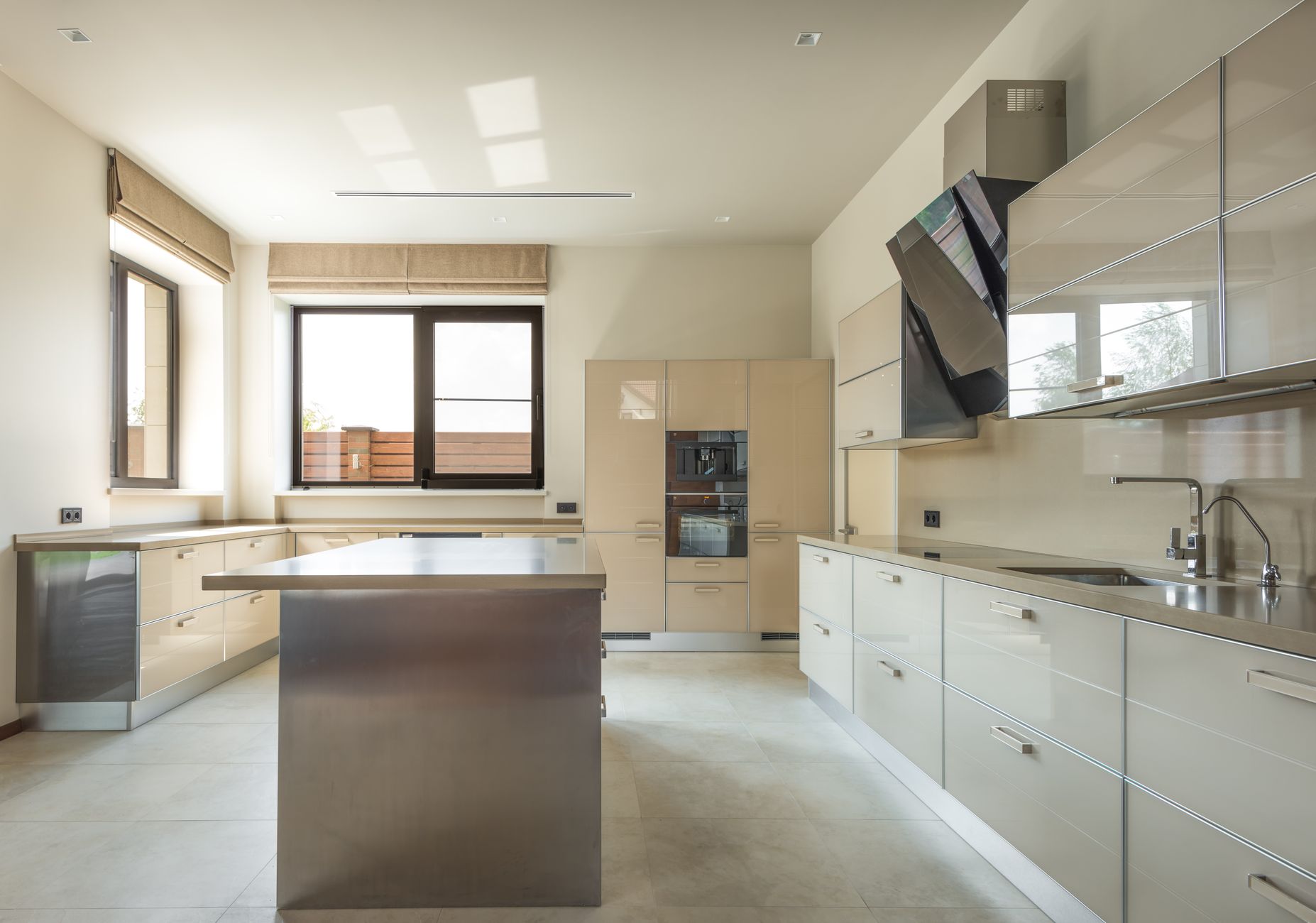
Mushroom is a warm neutral that blends soft gray, pale brown, and a faint hint of beige into a single cohesive tone. It is not a single paint chip — it is a family of muted earth tone cabinets that reads differently depending on the light source and the materials around it.
Think of it as standing between warm white and a medium taupe. In natural daylight, mushroom can look almost lilac-gray. Under warm incandescent or Edison-style lighting, it shifts toward a creamy brown. That chameleon quality is precisely why designers favor it for modern kitchen layouts where lighting varies throughout the day.
According to Architectural Digest (2026), warm neutral kitchen cabinets in the mushroom and putty range have consistently ranked among the most-requested cabinet colors for luxury remodels over the past two years. Paint brands have responded accordingly. Benjamin Moore mushroom tones — including Pale Oak, Revere Pewter, and Pale Smoke — all fall within the broader mushroom palette. Sherwin-Williams warm neutral options like Accessible Beige and Agreeable Gray share the same warm-gray-brown DNA.
Mushroom is distinct from pure greige because it carries a stronger gray undertone. It separates from standard gray because of its warmth. And it reads differently from a classic taupe, which tends to lean more decisively into brown. Mushroom sits in the quiet middle, which is exactly where it earns its versatility.
- Undertones: gray, brown, and a soft beige in varying proportions
- Light response: cooler in north-facing rooms, warmer in south-facing spaces
- Closest paint analogs: Benjamin Moore Revere Pewter, Sherwin-Williams Agreeable Gray
How Mushroom Cabinets Compare to Greige, Taupe, and Gray
Mushroom occupies its own specific territory in the neutral cabinet color spectrum, and understanding those differences helps homeowners make a more confident final choice.
Greige kitchen cabinets are a direct blend of gray and beige. They tend to feel a bit warmer than mushroom and carry less visual complexity. Taupe cabinet color leans more decisively toward brown and can feel heavier in a smaller space. Standard cool gray cabinets, on the other hand, pull toward blue or slate undertones and can feel stark without warm accents to balance them.
Mushroom gray cabinets sit at the intersection of all three. They carry enough warmth to feel inviting but enough gray to stay sophisticated. According to Elle Decor (2026), this middle-ground quality is why mushroom-toned cabinetry has held relevance while pure gray kitchens have started feeling dated in many luxury interiors.
In a recent project I completed for a client in a Chicago lakefront townhouse, I placed mushroom shaker cabinets next to a greige island. The contrast was subtle but meaningful — the island felt slightly warmer, the perimeter cabinets more refined. That small tonal difference added depth without breaking the visual flow of the kitchen.
For homeowners comparing these neutrals, the practical distinction is this: mushroom rewards layering. It works harder when paired with warm-toned stone, unlacquered brass, or textured tile than greige or taupe tend to do. It is a more dynamic neutral precisely because of its layered undertones.
Which Cabinet Finishes Work Best in the Mushroom Palette?
A matte cabinet finish is the single most popular choice for mushroom cabinetry, and for good reason — it reinforces the earthy, organic quality of the color without adding visual noise.
Flat or low-sheen finishes absorb light rather than reflecting it. That quality makes the warm-gray tone read as intentional and calm rather than flat and dull. High-gloss finishes, by contrast, can make mushroom look slightly plastic or washed out, particularly in kitchens with strong directional lighting.
According to House Beautiful (2026), matte and satin finishes on neutral cabinet colors have seen a significant uptick in luxury kitchen projects. Satin is a reasonable middle ground for households with children, since it offers some wipe-down durability while still minimizing glare.
Shaker style mushroom cabinets are the most common application. The clean recessed panel of a shaker door works with mushroom because the shadow line inside the frame adds dimension without competing with the color itself. Flat-front, slab-style doors in mushroom read more contemporary and work particularly well in organic modern kitchens where minimalism is the goal.
For painted wood cabinets, a high-quality matte cabinet paint in a mushroom tone is the practical starting point for any refinishing project. For factory-finished luxury cabinetry, ask your supplier specifically about a catalyzed lacquer in a low-sheen or velvet finish — these are the most durable options for high-use kitchen environments.

Pairing Mushroom Cabinets With Countertops and Backsplashes
The best countertop pairing for mushroom cabinets is a warm white or cream-toned quartz or marble, which creates contrast without fighting the cabinet’s warm undertones.
Warm white countertops — think Calacatta-style quartz with warm veining or a honed Carrara marble — bring brightness to the palette while staying within the same warm neutral family. The result feels cohesive without being monotonous. Quartz countertop pairing is particularly practical for busy kitchens since engineered stone resists staining and requires minimal maintenance.
According to Veranda (2026), warm-veined quartz slabs in cream and ivory tones are among the most requested countertop selections when paired with organic modern kitchen cabinetry in the mushroom-to-greige range.
For backsplashes, the strongest choices are:
- Handmade ceramic tile in an ivory or warm white glaze — adds texture and artisanal warmth
- Unlaid natural stone in a running bond pattern — amplifies the organic quality of the mushroom tone
- Zellige tile in soft cream or terracotta — pairs beautifully with the earthy undertones of the cabinet color
Avoid cool-toned white subway tile with a bright white grout. That combination can make mushroom cabinets look dingy by comparison. The key is keeping the surrounding palette within the same warm temperature range. A zellige tile backsplash in an ivory or soft warm glaze is one of the most effective ways to unify a mushroom kitchen scheme.
For those considering a broader kitchen renovation, planning the countertop and backsplash selection alongside the cabinet color — rather than after — produces a far more refined outcome.
Hardware and Lighting That Elevates a Mushroom Kitchen
Warm metal hardware finishes — particularly unlacquered brass, aged bronze, and brushed gold — are the strongest choices for mushroom cabinet hardware.
Mushroom’s warm undertones respond beautifully to the golden and amber tones of brass and bronze. These metals pick up the warmth in the cabinet color and amplify it. Brushed nickel is a serviceable option for a cooler, more restrained look, but it can pull the palette toward gray in a way that reduces some of the warmth mushroom offers.
Matte black hardware is a popular contrast choice in 2026. It works well against mushroom when the rest of the kitchen carries warm accents — think a warm white countertop and natural wood open shelving. Without those warm anchors, matte black against mushroom can feel a bit stark.
According to the American Society of Interior Designers (2026), unlacquered brass remains the most specified metal finish in luxury kitchen projects that incorporate warm neutral cabinetry. Its slight variation and patina over time add character that aligns with the organic modern design direction.
For lighting, warm-white bulbs in the 2700K to 3000K range are essential. Pendants with unlacquered brass pendant lighting over an island are a particularly effective way to carry the hardware palette into the vertical space of the kitchen. Under-cabinet lighting in a warm white tone ensures the countertop and backsplash read consistently throughout the day and evening.
“Mushroom cabinets are only as good as the metals and light sources around them. Get the hardware and bulb temperature right, and the whole kitchen pulls together effortlessly.” — Marcus Hale, Home Decor Consultant
Is the Mushroom Cabinet Trend Still Relevant in 2026?
Mushroom kitchen cabinets are not just relevant in 2026 — they are arguably at their most sophisticated iteration yet.
Cabinet color trends 2026 have moved decisively away from the cool, stark kitchens that defined the early 2010s. The organic modern kitchen movement — which emphasizes natural materials, layered textures, and warm neutrals — has firmly positioned mushroom and its close relatives as the color language of elevated residential design this year.
According to Architectural Digest (2026), warm-toned cabinetry in the muted earth tone family is projected to remain a top choice through at least the late 2020s, driven by a broader cultural appetite for interiors that feel calm, natural, and grounded.
The transitional kitchen design category — which bridges traditional and contemporary styles — has adopted mushroom as a near-universal cabinet color because it works with both traditional shaker millwork and contemporary flat-front cabinetry. That cross-style flexibility is the clearest sign of a color with genuine longevity.
According to Elle Decor (2026), the most forward-thinking designers are now pairing mushroom with warm terracotta accents, woven textures, and raw stone to push the organic direction even further. The color itself has not peaked — it is still deepening in its design context.
One practical note for homeowners: luxury kitchen cabinetry in a well-executed mushroom palette photographs exceptionally well. That matters both for personal enjoyment and, if selling is ever on the horizon, for listing appeal in the current real estate market.
How to Style Mushroom Cabinets for a Luxury Home Aesthetic
Styling mushroom cabinets for a luxury result requires a deliberate approach to layering materials, tones, and textures across every surface in the kitchen.
Start with the cabinet color as the anchor and build outward. The goal is a kitchen that feels curated rather than assembled. Every element — from the countertop edge profile to the cabinet knob diameter — should feel like a considered choice rather than a default.
In a recent project I worked on in a Seattle craftsman home, the owners had installed soft brown kitchen cabinetry in a mushroom tone but the kitchen felt flat. The fix was straightforward: we added natural wood open shelving on one wall to introduce warmth and grain, swapped out cool white overhead lighting for warm Edison pendants, and added a woven linen Roman shade at the window. The kitchen transformed completely. The mushroom cabinets suddenly looked intentional and rich rather than just neutral.
Key styling principles for a luxury mushroom kitchen:
- Layer at least two natural materials — stone, wood, or ceramic — to prevent the palette from reading flat
- Use soft brown kitchen cabinetry on the perimeter and a slightly contrasting island tone to add depth
- Incorporate live-edge cutting boards, ceramic canisters, or woven baskets as countertop accessories to reinforce the organic modern direction
According to House Beautiful (2026), the kitchens that photograph most successfully in the mushroom palette are those that include at least one statement lighting fixture, a deliberately chosen backsplash material, and open or glass-front upper cabinets to break up the expanse of color.
For wall colors, soft off-whites and warm linen tones are the most natural companions. A guide on painting walls in more than one hue offers additional ideas for creating depth through subtle tonal variation, which works especially well in a mushroom kitchen scheme.
Adding wall-mounted kitchen shelves in a warm wood tone is one of the easiest upgrades for a mushroom kitchen. They break up the cabinetry, provide functional display space, and reinforce the organic warmth of the overall palette. For more ideas on how to use vertical kitchen storage well, the guide to top wall-mounted kitchen shelves to save space is a practical resource.

Cabinet Finish and Hardware Comparison for Mushroom Kitchens
| Item | Material or Style | Best For | Price Tier |
|---|---|---|---|
| Unlacquered Brass Cabinet Pulls | Solid brass, aged patina finish | Warm, organic modern mushroom kitchens | Mid to High |
| Matte Black Cabinet Knobs | Zinc alloy or iron, flat black coating | Contemporary contrast against mushroom cabinetry | Budget to Mid |
| Brushed Nickel Bar Pulls | Stainless steel, brushed satin finish | Transitional kitchens with cooler lighting | Mid |
| Aged Bronze Cup Pulls | Solid bronze, hand-applied patina | Luxury traditional or craftsman mushroom kitchens | High |
| Cream Ceramic Cabinet Knobs | Fired ceramic, hand-painted finish | Artisan or bohemian organic kitchen styling | Budget to Mid |
Frequently Asked Questions
What color exactly is mushroom for kitchen cabinets?
Mushroom is a muted warm neutral that blends soft gray, pale brown, and a faint beige. It sits between a medium taupe and a warm gray on the color spectrum. The tone shifts slightly depending on light — leaning grayer in cool north-facing rooms and warmer in brighter south-facing kitchens. Paint analogs include Benjamin Moore Revere Pewter and Sherwin-Williams Agreeable Gray, though the precise shade varies by brand and batch.
Are mushroom kitchen cabinets going out of style in 2026?
No — mushroom kitchen cabinets are firmly on-trend in 2026. The organic modern and transitional kitchen design movements have made warm neutral cabinetry the dominant direction in luxury residential interiors. Cabinet color trends in 2026 show a clear preference for muted, earthy tones over the cool grays that defined kitchens a decade ago. Mushroom’s cross-style flexibility gives it staying power well beyond a single design cycle.
What countertop color goes best with mushroom cabinets?
Warm white and cream-toned countertops pair best with mushroom cabinets. Calacatta-style quartz with warm gold veining, honed Carrara marble, or a creamy engineered stone all complement the cabinet’s warm undertones without competing with them. Avoid stark bright-white countertops with cool undertones — they can make mushroom cabinets look dingy or yellowed by comparison. The goal is a palette where the countertop and cabinet exist in the same warm temperature family.
Do mushroom cabinets work in a small kitchen?
Yes, mushroom cabinets work well in smaller kitchens because the color reads as a light-to-medium neutral that does not visually close in the space the way dark charcoal or navy cabinetry can. Pairing mushroom with a light countertop and a reflective backsplash tile helps amplify brightness. Choosing upper cabinets in a slightly lighter mushroom or a warm off-white while keeping the base cabinets in the full mushroom tone also creates the impression of height and openness.
What hardware finish looks best on mushroom kitchen cabinets?
Unlacquered brass and aged bronze are the top hardware choices for mushroom cabinets because their warm golden tones harmonize with the cabinet’s earthy undertones. Brushed nickel works for a cooler, more restrained look. Matte black provides strong modern contrast but requires warm accent elements elsewhere in the kitchen to prevent the palette from feeling cold. The American Society of Interior Designers notes that unlacquered brass remains the most specified finish in luxury mushroom-toned kitchens in 2026.
How do mushroom cabinets differ from greige or taupe cabinets?
Mushroom gray cabinets carry a stronger gray undertone than greige kitchen cabinets, which blend gray and beige more evenly. Taupe cabinet color leans more decisively toward brown and typically reads heavier than mushroom. Mushroom sits in the middle of this neutral triangle — warmer than gray, cooler than taupe, more complex than standard greige. That layered quality gives mushroom its characteristic depth and makes it more responsive to warm metals, natural stone, and textured materials.
Can I paint my existing cabinets mushroom without replacing them?
Yes, painting existing cabinets is a practical and cost-effective way to achieve the mushroom look without a full replacement. The key steps are thorough cleaning, light sanding for adhesion, a bonding primer, and at least two coats of a high-quality cabinet paint in a matte or satin finish. For best results, choose a paint specifically formulated for cabinetry. Professional cabinet refinishing delivers a more durable and factory-smooth result than DIY, particularly for high-use kitchens.
What wall color pairs well with mushroom kitchen cabinets?
Soft off-white, warm linen, and pale greige wall colors are the most natural companions for mushroom cabinetry. These tones keep the kitchen feeling open while maintaining warmth throughout the space. Avoid bright white or cool gray walls — they can make mushroom cabinets look flat or slightly dirty. For open-plan homes where the kitchen connects to a living space, carrying the same warm wall tone throughout the adjacent room creates a cohesive and expansive feel.
About the Author
Marcus Hale is a home decor consultant who writes about curating furnishings, art, and accents for elevated, comfortable homes. For project inquiries or editorial collaboration, contact the HomesAndLuxury editorial team via the site’s contact page.
Sources
- Architectural Digest (2026) — warm neutral cabinet color trends in luxury kitchen remodels
- Elle Decor (2026) — mushroom and warm neutral cabinet color staying power in luxury interiors
- House Beautiful (2026) — matte and satin finish trends in neutral kitchen cabinetry; mushroom kitchen photography and styling
- Veranda (2026) — warm-veined quartz countertop pairings with organic modern cabinetry
- American Society of Interior Designers (2026) — unlacquered brass hardware specification in luxury kitchen projects with warm neutral cabinetry
This article was researched and structured with AI assistance and reviewed for accuracy by the HomesAndLuxury editorial team.
