
Last updated: November 4, 2026
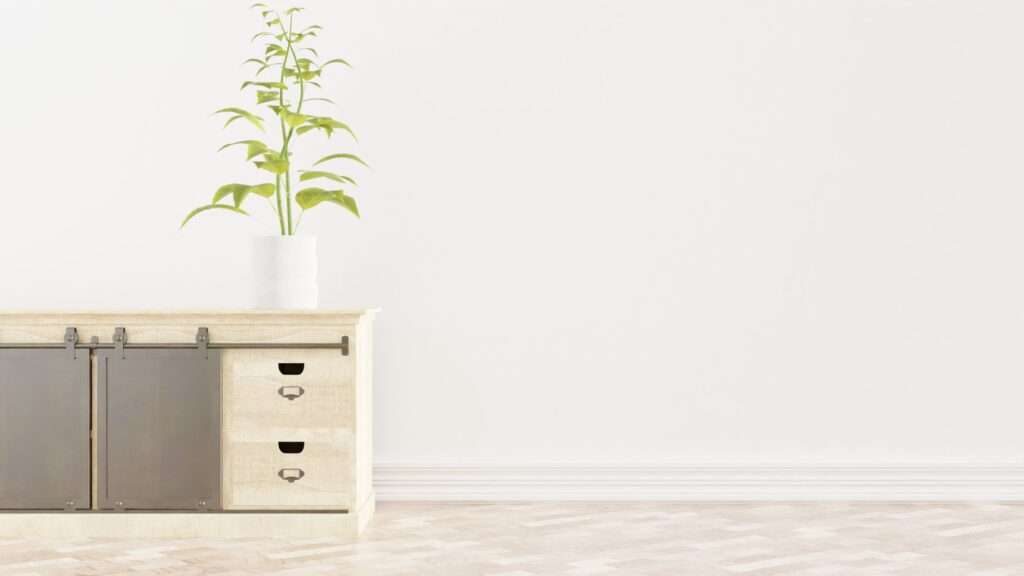
Quick answer: Most sideboards are around 30 to 36 inches high. Place yours so there is room to open doors and drawers, and keep it clear of radiators and direct sun.
This post contains affiliate links. If you buy through them I may earn a small commission at no extra cost to you.
A sideboard is one of the most useful pieces in a home. It stores tableware in a dining room, holds media in a living room and styles an entryway. Decorating the top is where it often goes wrong: too many small objects, no focal point and a mirror hung too high or too small. This guide gives you a simple formula you can adapt.
Key takeaways
- Use a simple formula: one tall item, one low item, one natural item (plant or flowers) and one personal item.
- Hang art or a mirror about two-thirds the width of the sideboard, a few inches above the top.
- Leave space. A sideboard with bare surface looks calm and expensive.
- Lamps add warmth. Choose a lamp that is about 24 to 30 inches tall for a typical sideboard.
Start with scale and placement
Most sideboards are around 30 to 36 inches high. Place yours so there is room to open doors and drawers, and keep it clear of radiators and direct sun. Above it, leave a gap of several inches before the bottom of any art or mirror.

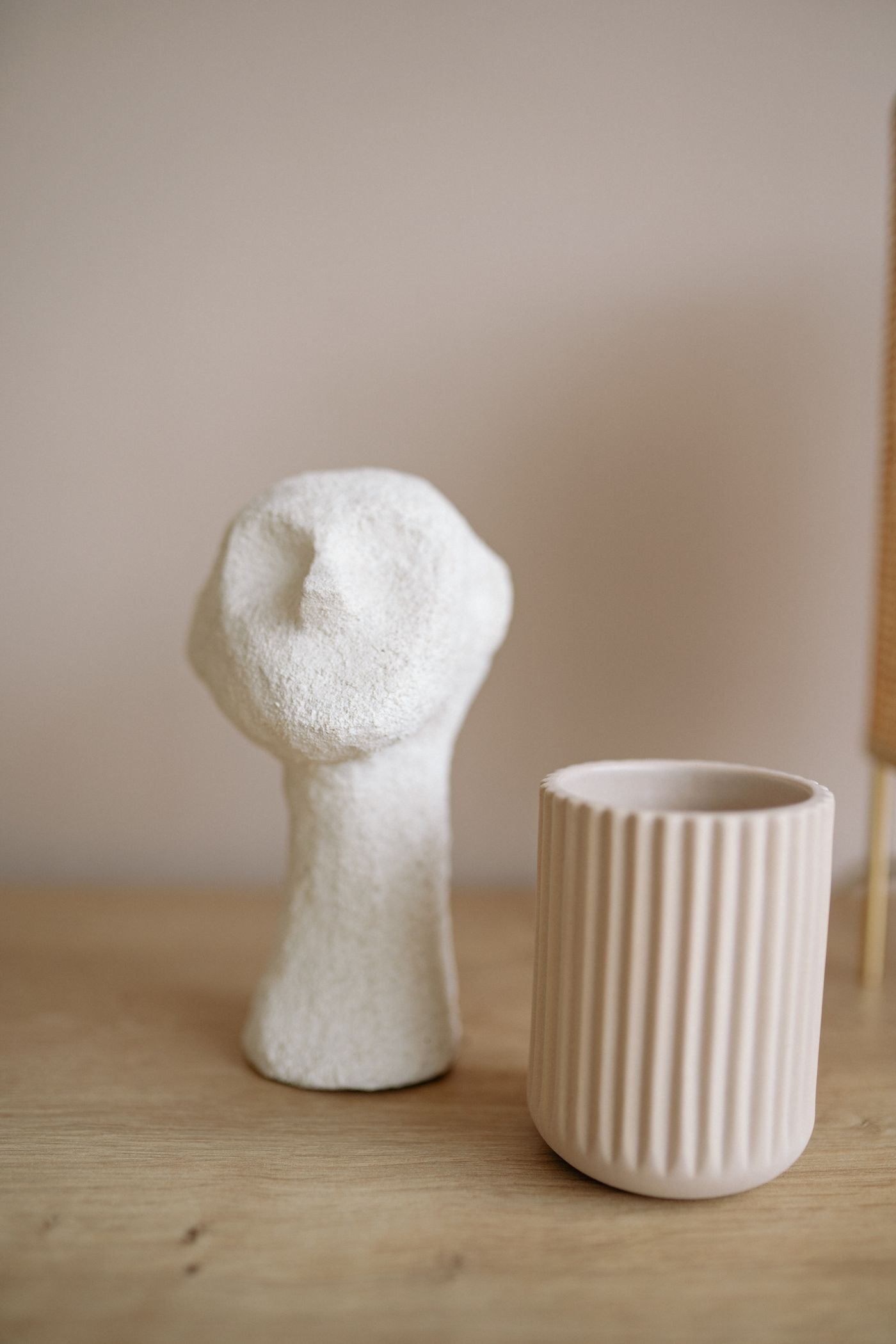
What goes above a sideboard?
- A mirror: bounces light and works well in narrow rooms. Aim for about two-thirds of the sideboard’s width. See our guide to modern mirror styles and the hanging height calculator.
- One large artwork: simpler than a gallery wall and easy to centre.
- A gallery wall: works when frames share a colour or mat. Use our gallery wall spacing calculator.
A formula for the top
- Tall item: a lamp or large ceramic vase.
- Low item: a tray, bowl or stack of books.
- Natural item: a plant, branches or fresh flowers.
- Personal item: a small framed photo or an object you love.
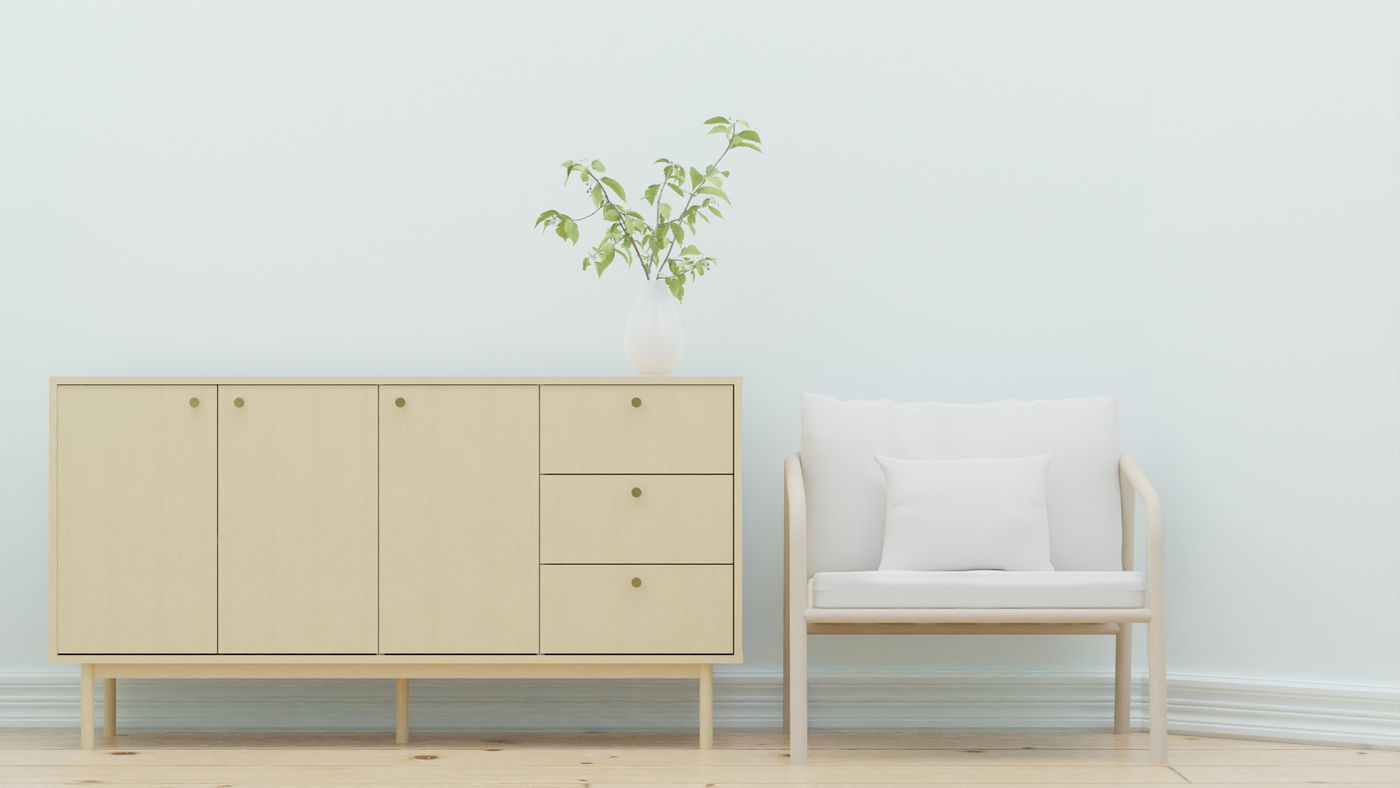
Symmetry or asymmetry?
Symmetry, with matching lamps at each end and a central object, looks formal and calm. Asymmetry, with a tall lamp on one side balanced by a low group on the other, feels relaxed and modern. Both work. Pick one and stay consistent.
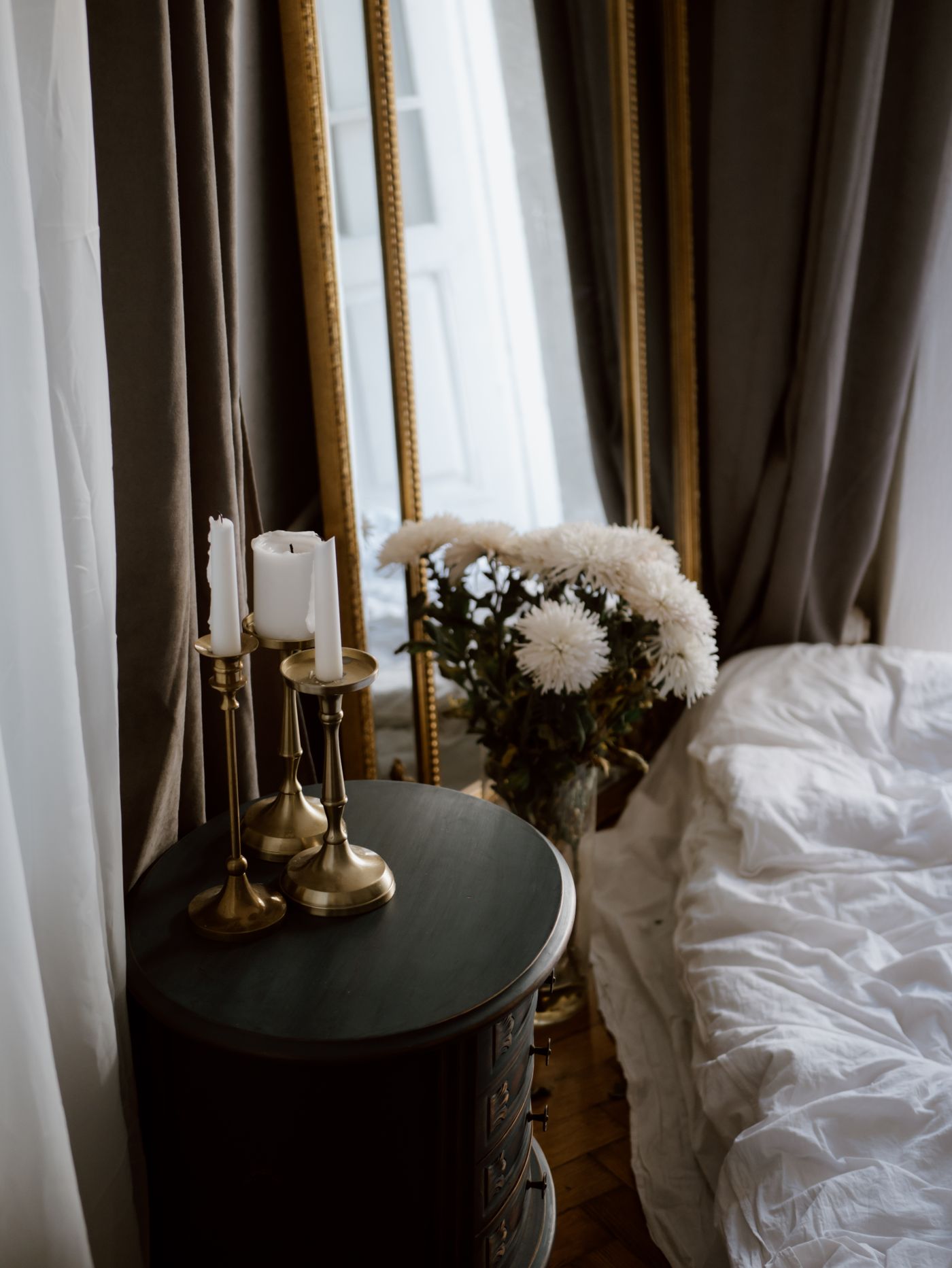
Colour, texture and material pairings
| Sideboard | Pair with |
|---|---|
| Dark walnut | Brass, cream ceramics, linen |
| White or painted | Black accents, wood, greenery |
| Marble top | Gold or brass, glass, flowers |
| Rattan or cane | Woven baskets, terracotta, dried stems |
Useful accessories include ceramic table lamps, brass candle holders and woven baskets.
Seasonal changes
Keep the base the same and swap one or two items each season: fresh pine and candles in winter, flowers in spring, dried grasses in autumn. Our Christmas art ideas can inspire a holiday sideboard.
Style the sideboard for the room it is in
Dining room
Here the sideboard is working furniture, so keep the middle clear for serving. Put a lamp or a tall vase at one end, a low bowl or tray in the centre and a stack of plates or a decanter at the other. Keep anything breakable or hot-serving friendly: trivets and a tray make it easy to set dishes down.
Living room
If the sideboard holds a TV or media, keep decor low and to the sides so it never blocks the screen. Use a lamp on one side and a plant on the other, and stay under the height of the screen.
Entryway
An entry sideboard needs a landing spot. Add a tray for keys and mail, a small bowl, and a mirror above so you can check yourself on the way out. Keep the surface clear enough to put a bag down.
Kitchen or open-plan space
Use it as a serving station: a tray with coffee or drink items, a bread board and a small plant. Choose pieces that can handle the occasional splash.
How much to put on it, by sideboard length
| Sideboard length | Groups to style | What works |
|---|---|---|
| Under 120 cm (4 ft) | 2 | One lamp or tall vase, one low tray or bowl |
| 120 to 180 cm (4 to 6 ft) | 3 | Lamp, low group in the centre, plant or vase at the other end |
| Over 180 cm (6 ft) | 3 to 5 | Two matching lamps or two vases, with a larger group between them |
These are starting points, not rules. If it looks crowded, take one thing away.
Three arrangements to copy
- Balanced: a lamp on the left, a mirror centred above, a stack of two books with a small bowl on the right.
- Gallery: three frames leaning at different heights, with a low vase in front of the smallest.
- Minimal: one oversized vase with branches on the left, one tray with a candle and a dish on the right, nothing else.
Protect the surface
Add felt pads under ceramics and lamps so they do not scratch, use a tray or coaster for anything hot or wet, and keep real wood out of direct sun, which can fade it. Wipe wood with a slightly damp cloth, then dry it, and check the maker’s care instructions for the finish.
Common mistakes
- Too many small objects with no clear focal point.
- A mirror or artwork that is too small or hung too high.
- A lamp that is too tall or too short for the surface.
- Matching everything, which looks flat. Mix heights and textures.
- Ignoring the sides of the sideboard, where a plant or basket can help.
How high should art hang above a sideboard?
UGallery suggests hanging large framed pieces at least 6 to 12 inches above furniture, and it cites 57 to 60 inches from the floor to the centre of the piece as a common eye-level guide. Over a sideboard, a mirror or a large piece about two-thirds the width of the furniture usually looks balanced.
What mistakes make a sideboard look cluttered?
- Using too many small objects with nothing larger to anchor them.
- Matching everything, so the surface looks like a shop display.
- Placing items along the edge with no space around them.
- Leaving no room for practical use, such as a tray for keys or post.
- Forgetting to protect the surface with felt pads or a tray.
Edit the surface down to a few well-chosen items and leave space around each one. The sideboard should look styled, not stocked.
How do you refresh a sideboard through the year?
Keep the main pieces, such as the lamp, mirror or large vase, and change the smaller items with the season. Swap fresh flowers or branches, add a small bowl for the season, and move a framed photo to refresh the look. This keeps the sideboard current without buying new pieces.
How do you style a sideboard in a dining room or hallway?
In a dining room, keep the surface practical. A lamp, a tray with glasses or a carafe and a small bowl make it useful and good-looking. In a hallway, add a tray for keys and post, a mirror above and a small plant. In both rooms, keep the front clear so doors and drawers can open, and leave gaps between objects so the sideboard feels calm.
How Do You Choose the Right Sideboard Size and Position?
Start with the wall and the room traffic. A sideboard works best when it is a little shorter than the wall it sits on, so measure the width and leave a gap on each side. Check the depth carefully, because a deep unit can crowd a narrow dining area or hallway. Allow enough room to open doors and drawers fully, and leave a comfortable walkway of roughly the width of a person passing.
Consider height and what hangs above. A low sideboard lets you hang a large mirror or artwork above it, while a taller unit may need smaller pieces. Align the top of the artwork with the width of the sideboard so the group looks planned, and keep the centre of the display near eye level.
Think about use. In a dining room, the sideboard stores tableware and acts as a serving surface. In a living room it can hide media equipment and games, and in a hallway it provides a landing place for keys and post. Choose compartments that match what you will really store.
Which Materials and Finishes Look Luxurious on a Sideboard?
Solid wood, veneer, lacquer, fluted panels and stone tops are all popular for a luxury look. Quality shows in the details: smooth drawer runners, solid hinges, consistent finishes and edges that are neatly finished. Ask about the material construction and whether the surface is protected against heat and spills.
Pick a finish that fits the rest of the room. Warm wood tones suit traditional and Scandinavian styles, while black, charcoal or deep green looks dramatic in a moody space. Light, painted finishes brighten smaller rooms, and metallic handles add a subtle accent. Keep the palette limited to avoid a busy look.
Care for the finish regularly. Use coasters and trivets, wipe spills immediately and dust with a soft cloth. Avoid harsh cleaners that can damage the surface, and follow the maker’s guidance for polishing.
How Do You Style the Top of a Sideboard Without Clutter?
Use the rule of grouping in odd numbers and varying heights. Place a tall lamp or vase at one end, a medium object such as a stack of books in the middle, and a small accent such as a bowl or candle at the other side. Leave some space between groups so each element is seen.
Mix textures: glass, ceramic, wood and metal add interest without needing many colours. Add a living touch with fresh flowers, branches or a small plant, and swap items seasonally to keep the display fresh. Keep daily items hidden in drawers so the surface stays elegant.
Finish with artwork or a mirror above. Lean a large piece against the wall for a relaxed look or hang it centred for a formal one. Make sure there is a visual connection in colour or style between the artwork and the objects below.
What Mistakes Should You Avoid When Styling a Sideboard?
Common mistakes include overcrowding the top, choosing a unit that is too small for the wall, hanging artwork too high and ignoring lighting. Another is using too many unrelated colours and materials, which can make the display feel random.
Avoid placing candles, hot dishes or fragile items near the edge, and always check that the unit is stable and, if necessary, anchored to the wall in homes with children.
How Will Sideboard Styling Evolve in 2027?
Looking to 2027, designers continue to favour natural materials, curved shapes and a mix of closed and open storage. Whatever style you pick, focus on quality, proportion and a personal touch. A well chosen sideboard can last for many years and adapt as your tastes change.
How Do You Pair a Sideboard With Dining and Living Room Furniture?
Match the visual weight of the sideboard to the table or sofa near it. A chunky, dark unit looks balanced beside a solid dining table, whereas a slim, light sideboard pairs well with a delicate table and chairs. Repeat one material or colour from nearby furniture, for example the metal of the handles or the wood tone of the table legs, so that the pieces feel related.
Think about lighting. Table lamps on a sideboard create a warm glow in the evening, while a wall light or picture light above adds drama. Place the lamp at the correct height so the shade sits near eye level when you are seated.
If the room is open plan, use the sideboard to define zones. Placing it behind a sofa or at the edge of the dining space gives a visual boundary without needing a wall.
How Can You Organise Storage Inside a Sideboard?
Use dividers, trays and baskets to keep tableware, linens and games sorted. Store the items you use most often at the front and the occasional-use pieces at the back. Label baskets so that everyone in the household can find things quickly.
Protect surfaces with felt pads and soft liners, and check shelves regularly for weight limits. Keep delicate glassware wrapped or in dedicated racks. A tidy interior makes the outside look better too, because you are less tempted to leave things out on the top.
Quick recap checklist
Use this short checklist to confirm you have covered the main points of this guide to sideboard decor ideas before you start.
- Start with scale and placement
- A formula for the top
- Colour, texture and material pairings
- Seasonal changes
- Style the sideboard for the room it is in
- Dining room
- Living room
- Entryway
- Kitchen or open-plan space
- How much to put on it, by sideboard length
- Three arrangements to copy
- Protect the surface
- Common mistakes
Before you start: five questions to ask yourself
A few honest answers now will save time and money later. Write them down and keep them close while you shop or plan.
- What is the main purpose of this space or piece, and who will use it every day?
- What are the exact measurements, and have you marked them out with tape or paper before buying?
- Which colours and materials already exist in the room, and will your choice for sideboard decor ideas work with them rather than compete?
- What budget have you set, and which part deserves the most spending: the piece you touch every day or the accents?
- Could you live with this choice for at least a year, or would a smaller, easily changed version be wiser?
Look after what you buy
Check the care instructions before purchase and set a simple routine, such as dusting, wiping or re-oiling on a regular schedule. Small, regular care keeps materials looking good for longer and delays costly replacements.
Frequently asked questions
What do you put on top of a sideboard?
A lamp or vase, a tray or books, a plant and one personal item.
Should I use a mirror or art above a sideboard?
Either works. A mirror brightens a narrow room. Art adds colour and personality.
How many objects should be on a sideboard?
Three to five groups is plenty. Leave space around each.
What lamps work on a sideboard?
A table lamp around 24 to 30 inches tall, with a shade that sits below eye level when seated.
How can I make a sideboard look luxurious on a budget?
Use fewer, better items, add a mirror and a lamp, and leave empty space.
Can I put a TV on a sideboard?
Yes, if the sideboard is deep enough for the TV stand to sit fully on it and the top can take the weight. Check the weight limit from the maker, and keep the cables tidy.
How tall should a sideboard lamp be?
A lamp around 24 to 30 inches tall suits a typical sideboard, with the shade low enough that you can see over it when seated.
Should a sideboard match the dining table?
No. A different wood or finish often looks more considered. Pick one shared tone, such as a similar undertone, so they still sit well together.
More ideas: are floating shelves still a trend and floating TV stand ideas.


