

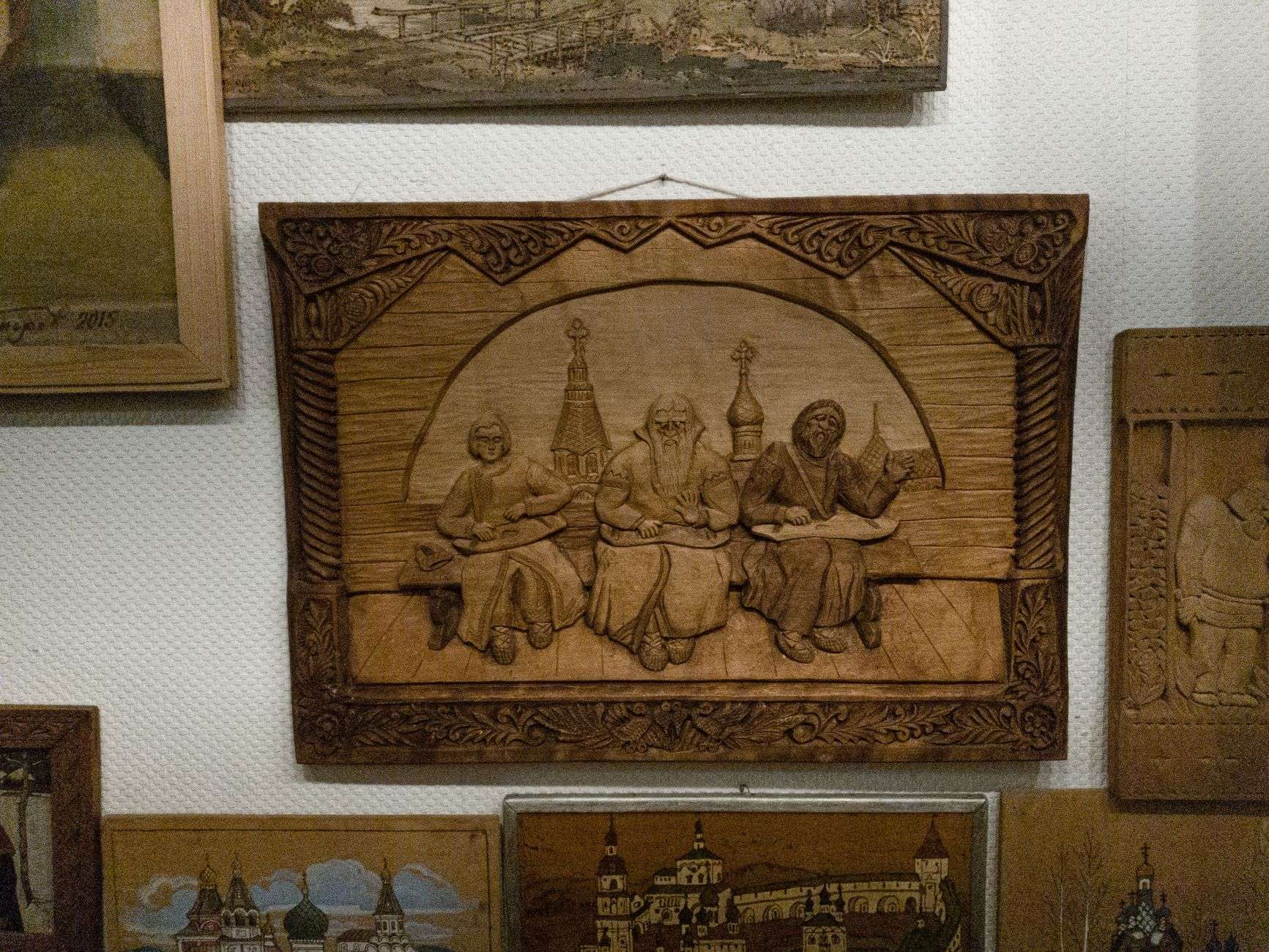
What Makes Carved Wood Wall Art a Timeless Choice?
Few decorative choices carry as much visual weight and cultural depth as carved wood wall art. Across centuries and continents, this form of artisan craftsmanship has graced the walls of palaces, temples, and contemporary luxury homes alike. Carved wood wall art endures because it sits at the intersection of tactile beauty, skilled technique, and natural material warmth — qualities that no printed reproduction or mass-produced panel can fully replicate. Whether you are furnishing a grand foyer or refreshing a living room feature wall, a hand-carved wooden wall sculpture brings character that genuinely cannot be manufactured at scale.
The Craft Behind Carved Wood Wall Art: Techniques and Traditions
Carved wood wall art is produced through a range of techniques that span millennia of human ingenuity, from ancient relief carving traditions to contemporary CNC-assisted methods. Wood relief art — the practice of carving a design so that figures or motifs project from a flat background — is among the oldest forms of decorative expression. According to the Metropolitan Museum of Art (2026), carved wooden panels from ancient Egypt, India, and medieval Europe demonstrate a continuous lineage of ornamental woodworking that persists in luxury interiors today. Traditional hand carving begins with selecting a seasoned plank, then transferring a drawn design onto the surface. The carver uses gouges, chisels, and mallets to remove material in controlled layers, creating depth and shadow. High-relief carving produces bold, three dimensional wall art with dramatic protrusions, while bas-relief keeps the composition closer to the surface for a subtler, more architectural effect. Chip carving, popular in Scandinavian and Central European traditions, creates geometric wood wall panel designs through precise angular cuts that produce intricate star and diamond patterns. More recently, CNC routing has allowed studios to produce decorative wood panels with extraordinary consistency, though the finest luxury pieces still involve substantial hand-finishing to bring life to mechanical toolpaths. The result is a category that ranges from fully artisan-crafted home accents costing several thousand dollars to accessible mid-range sculptural wall hangings that bring character to almost any budget.- Relief carving: designs project from a flat wooden background for a three-dimensional effect.
- Chip carving: angular cuts produce geometric, lattice-like surface patterns.
- Fretwork and pierced carving: material is removed entirely to create open, lace-like compositions.
How Do You Choose the Right Style for Your Space?
The right style of carved wood wall art is the one that either completes the existing design language of a room or deliberately introduces productive contrast. According to Architectural Digest (2026), the strongest decorating moves of the year pair organic modern decor — think clean lines, natural materials, and restrained palettes — with a single statement wall piece that provides genuine tactile interest. For contemporary and minimalist interiors, a large-format geometric wood wall panel in pale ash or blonde maple keeps the aesthetic cool and ordered while still delivering the visual richness of natural wood grain. Boho wood wall decor, by contrast, thrives in eclectically layered rooms: think hand-carved mandalas, sun motifs, or abstract floral reliefs in warm walnut or reclaimed wood tones. A rustic wood wall hanging with visible saw marks and imperfect edges suits farmhouse and transitional spaces where authenticity matters more than polish. I always ask my clients one question before recommending a piece: what do you want to feel when you walk past this wall? In a recent project in a Chicago penthouse, my client wanted grounding — not more glass and steel. We chose a large-format hand-carved wood wall panel in dark smoked oak with an abstract wave motif. The result transformed a cold gallery corridor into the most-discussed space in the apartment. Matching the visual scale of the carving to the room’s architectural detail is equally important. Ornate, deeply-cut motifs work best in spaces with high ceilings and substantial mouldings, while shallower relief suits rooms with clean, unadorned finishes. For guidance on balancing wall art with other decorative elements, see our guide to top 12 decorating ideas for small living rooms.Materials Matter: Which Wood Species Create the Best Results?
The wood species chosen for a carved wall piece directly determines its durability, carving detail, visual character, and long-term stability. According to House Beautiful (2026), the renewed interest in natural wood home decor has pushed demand for sustainably sourced hardwoods, particularly those with consistent grain and moderate hardness that accept fine detail without splitting. Teak remains the benchmark for luxury carved wall art. Its interlocking grain, natural oils, and dimensional stability make it ideal for complex relief work, and it performs exceptionally well in humid coastal environments. Walnut offers a rich chocolate tone with a straight grain that photographs beautifully and accepts both carved detail and smooth finishing. White oak has surged in popularity through 2026 for its pale, architectural look that suits organic modern and Scandinavian-influenced interiors. Reclaimed wood wall art has carved out its own prestige category. Pieces made from reclaimed barn wood, salvaged ship timber, or decommissioned factory flooring carry visible history — knots, nail holes, and patina — that new timber simply cannot replicate. This also makes reclaimed pieces a strong choice for Moroccan-inspired or globally-influenced interiors where layered texture and aged character are central to the design language.- Teak: best for humid climates and intricate relief; naturally resistant to moisture and insects.
- Walnut: rich tone with excellent carving response; ideal for dark, moody luxury interiors.
- White oak: pale, architectural grain; suits contemporary and Scandinavian-influenced spaces.

Hand-Carved vs. Machine-Carved: What Should Luxury Buyers Know?
For luxury buyers, the distinction between hand-carved and machine-carved wood wall art is not merely philosophical — it directly affects authenticity, value, and the visual character of the finished piece. As Elle Decor (2026) notes, collectors and serious interior designers consistently prioritize evidence of the hand in decorative objects, precisely because machine production removes the subtle irregularities that make a piece feel alive. Hand carved wall decor is produced by a craftsperson working directly with chisels and gouges, meaning no two pieces are identical. Tool marks, slight asymmetries, and micro-variations in depth create visual complexity that catches light differently across the day. An artisan wall sculpture of this caliber takes anywhere from twenty hours to several weeks to complete, which is reflected in its price. According to the American Society of Interior Designers (2026), investment-grade decorative objects with documented maker provenance consistently hold or appreciate in value within designed interiors.“A hand-carved piece doesn’t just decorate a wall — it starts a conversation about who made it, how long it took, and what skill it required. That story is part of what you’re buying.” — Elena Whitfield, Interior ArchitectMachine-carved or CNC-routed panels are not without merit. They offer geometric precision that hand tools struggle to match, consistent repeatability for commercial installations, and considerably lower price points. For buyers who want the aesthetic of wood carving art without the artisan premium, a quality CNC-finished geometric wood wall panel with a hand-applied finish can be an excellent solution. The key is transparency: reputable sellers will clearly state their production method.
How to Scale and Place Carved Wood Wall Art in Any Room
Correct scaling is the single most important placement decision, and it is the area where I see the most expensive mistakes in client homes. A carved wall piece should occupy between fifty and seventy-five percent of the wall width it anchors; anything smaller tends to float awkwardly, while anything larger can overwhelm the architectural proportions of the room. For a standard living room feature wall of twelve feet, a carved wood panel between six and nine feet wide is the target range. In a dining room, a vertically oriented wood relief art piece hung at eye level between windows creates rhythm without competing with natural light. Hallways and entryways benefit from medium-format textured wall art — pieces in the twenty-four to thirty-six inch range — that read clearly at close range as you pass through the space. For further hallway inspiration, our 12 creative hallway decorating ideas covers additional placement strategies. Lighting placement is as critical as the art itself. A directional spotlight or picture light positioned to rake across the carved surface will dramatically amplify the shadow play within the relief, making a shallow carving look far more dimensional. According to Veranda (2026), the most photographed luxury interiors of the year consistently use directional accent lighting to activate sculptural wall surfaces.
Color, Finish, and Staining Options That Elevate Luxury Interiors
The finish applied to a carved wood panel profoundly affects how it reads in a space, and selecting the wrong finish for your room’s palette is one of the easiest ways to undermine an otherwise excellent piece. Natural wood home decor looks best in its most honest state — a simple oil or wax finish that feeds the wood and enriches its natural color without building a plastic-looking surface layer. Dark ebony stains on carved dark walnut wall art create the most dramatic, gallery-worthy effect in rooms with white or off-white walls. The contrast between the carved shadows and the dark stained peaks produces a level of visual depth that lighter finishes cannot match. Whitewashed or limewash finishes on carved oak or pine suit coastal, Scandinavian, and organic modern settings, allowing the grain and texture to read while keeping the overall palette light and airy. Painted carved panels have a long tradition in classical European interiors, where gilded gesso over carved limewood was the ultimate luxury statement. In 2026, a more restrained version of this — a matte chalk-white painted panel with selective gilding on raised motif edges — is appearing in high-end residential projects as reported by Architectural Digest (2026). For contemporary spaces, a raw unfinished surface with a simple beeswax treatment preserves the most authentic handmade character.Is Carved Wood Wall Art a Smart Long-Term Investment?
Authenticated hand-carved wood wall art made by named or regionally documented artisans consistently holds value and, in many cases, appreciates over time — unlike mass-produced decorative objects that depreciate the moment they leave the shop floor. According to The British Museum (2026), carved wooden objects represent one of the oldest continuous categories of collectible art, with documented market activity spanning every major collecting culture globally. From an interior investment perspective, a quality artisan wall sculpture serves double duty: it functions as meaningful decor while contributing to the perceived and actual value of the home. Real estate professionals consistently note that curated original art — particularly large-format statement pieces — distinguishes a property in competitive luxury markets. This effect is most pronounced for large format wall art that reads as architecture-integrated rather than simply hung decor. Sustainable sourcing is increasingly material to value. Pieces crafted from FSC-certified timber or verified reclaimed wood carry a provenance story that resonates with 2026 buyers who prioritize sustainable home decor. According to Elle Decor (2026), sustainability credentials now factor meaningfully into purchase decisions at every price tier above $500.
Care, Maintenance, and Preservation Tips for Lasting Beauty
Carved wood wall art requires minimal but consistent care to retain its beauty across decades. The most important rule is moisture management: avoid hanging carved pieces on exterior walls subject to condensation, directly above humidifiers, or in bathrooms without proper ventilation. For routine cleaning, a soft-bristle brush — a clean, dry pastry brush works perfectly — drawn gently across the carved surface removes dust from recessed areas without abrading the finish. Avoid water-dampened cloths on unfinished or wax-finished surfaces, as moisture can raise the grain and cloud the wood. For oiled finishes, a light annual application of food-grade linseed or tung oil maintains the wood’s moisture balance and prevents cracking in centrally heated interiors. A quality wood conditioning oil applied sparingly with a lint-free cloth is all that most pieces require. According to House Beautiful (2026), direct sunlight is the most underestimated threat to carved wood wall decor. UV exposure bleaches tannins in wood unevenly, creating patchy discoloration that is difficult to reverse. Position pieces away from south-facing windows, or use UV-filtering window film where repositioning is not possible. A UV-filtering picture light provides accent illumination without accelerating fading. In a recent restoration project involving a nineteenth-century carved pine overmantel that a client had inherited, I found that patient dry brushing followed by a single coat of Danish oil completely revived a piece that had been presumed past saving. The grain came back, the shadows deepened, and the carving looked as purposeful as the day it was made.Carved Wood Wall Art Product Comparison
| Item | Material / Style | Best For | Price Tier |
|---|---|---|---|
| Hand-Carved Teak Wood Wall Panel | Solid teak, deep relief floral motif | Luxury living rooms, humid climates | High ($400–$1,200+) |
| Geometric Reclaimed Wood Wall Art | Reclaimed pine, geometric pattern | Organic modern and boho interiors | Mid ($150–$400) |
| Mandala Carved Wood Wall Decor | Mango wood, pierced fretwork mandala | Boho, global, and eclectic spaces | Accessible ($50–$150) |
| Large Walnut Wood Relief Wall Sculpture | Solid walnut, abstract bas-relief | Contemporary and gallery-style interiors | High ($600–$2,000+) |
| Whitewashed Carved Wood Wall Hanging | Pine or oak, whitewash finish, floral relief | Coastal, farmhouse, and Scandinavian rooms | Mid ($120–$350) |
Frequently Asked Questions
What is carved wood wall art and how is it made?
Carved wood wall art is a decorative panel or sculptural object in which a design has been cut, shaped, or removed from a wooden surface to create depth, pattern, or figurative imagery. It is made by hand using chisels and gouges, by CNC routing machines, or through a combination of both. The carver transfers a design onto seasoned wood, then progressively removes material in layers to achieve the desired relief depth. The finished piece is sanded, finished with oil, wax, or stain, and prepared for wall mounting.How do I hang carved wood wall art safely on a drywall surface?
For pieces under fifteen pounds, two heavy-duty picture hooks or a French cleat system anchored into drywall with appropriate wall anchors is sufficient. For heavier carved panels — anything over fifteen pounds — locate wall studs using a stud finder and drive screws directly into the framing. A French cleat hung from two studs distributes weight evenly and allows fine horizontal adjustment. Always check that the hanging hardware on the piece itself is rated for its weight. Use a level to confirm the piece hangs straight before securing fully.What size carved wood wall art works best for a living room feature wall?
A carved wood panel for a living room feature wall should cover roughly fifty to seventy percent of the available wall width. For a standard twelve-foot wall, that means a piece between six and nine feet wide. If you prefer a curated grouping of smaller panels rather than one large-format work, arrange them as a gallery cluster that collectively fills the same proportion. Avoid pieces that leave more than two feet of bare wall on each side — they tend to look underdecided rather than intentionally placed.Is hand-carved wood wall art worth the higher price compared to mass-produced pieces?
For buyers prioritizing authenticity, long-term value, and uniqueness, hand-carved wood wall art is genuinely worth the premium. Each piece is unique, carries the maker’s intentionality in every cut, and tends to hold or appreciate in value rather than depreciate. Mass-produced pieces offer consistency and accessibility but cannot replicate the shadow variation, slight asymmetry, and material honesty that hand carving delivers. If budget is a constraint, choose a smaller authentic piece over a large machine-made one — scale is less important than genuine craft.How do I clean and maintain carved wood wall art without damaging the finish?
Use a dry, soft-bristle brush to remove dust from carved recesses — avoid water or damp cloths unless the piece has a sealed lacquer finish. For oiled or waxed surfaces, apply a small amount of the original finish product once a year to prevent drying and cracking. Keep the piece away from direct sunlight to prevent UV bleaching, and maintain consistent indoor humidity between forty and sixty percent to prevent the wood from expanding and contracting excessively. Never use aerosol polishes or silicone-based products, as they can cloud the finish.Can carved wood wall art work in modern minimalist interiors?
Yes, and it often works exceptionally well. The key is choosing a carved piece with a restrained, geometric, or abstract motif rather than ornate floral or figurative carving. A shallow bas-relief panel in pale ash, white oak, or limewashed pine brings texture and warmth to a minimalist space without introducing visual noise. One well-chosen piece on an otherwise bare wall creates the kind of focused, singular impact that minimalism prizes. Avoid dark, heavily figured pieces in very cool or monochromatic rooms — they can feel incongruent rather than intentional.What wood types are most durable for carved wall art in humid climates?
Teak is the first choice for humid coastal or tropical environments. Its high natural oil content makes it inherently resistant to moisture, warping, and insect damage. Iroko and mahogany are strong second options with similar dimensional stability. Avoid pine, basswood, and other softwoods in high-humidity rooms, as they are prone to swelling and mold in sustained moisture. Regardless of species, a penetrating oil finish rather than a surface film protects better in humid conditions because it moves with the wood rather than cracking under dimensional change.Where can I buy authentic hand-carved wood wall art in 2026?
Authentic hand-carved pieces are available through artisan marketplaces such as Etsy, which hosts hundreds of individual wood carvers with portfolio documentation and buyer reviews. Specialty interior design boutiques, art fair vendors, and direct studio commissions offer the highest provenance certainty. Amazon carries a wide range of carved wood wall art at varying price points — use search filters to identify sellers who specify hand-finishing or artisan production. Antique dealers and auction houses are excellent sources for historic and collectible carved panels with documented origin.About the Author
Elena Whitfield writes about elevated, livable luxury spaces and design that balances form and function across the whole home. Her work spans residential and hospitality projects across North America, with a particular focus on material authenticity and artisan craftsmanship in interior environments. For professional inquiries, contact the HomesAndLuxury editorial team at HomesAndLuxury.com.
Sources
- Metropolitan Museum of Art (2026) — Carved wooden decorative panels: historical context and collecting.
- Architectural Digest (2026) — Organic modern decor and the return of handcrafted wall surfaces.
- Architectural Digest (2026) — Gilded and painted carved wood in contemporary luxury interiors.
- House Beautiful (2026) — Natural wood home decor: species, sustainability, and sourcing in 2026.
- House Beautiful (2026) — Caring for decorative wood objects: UV, humidity, and finish preservation.
- Elle Decor (2026) — Handmade vs. machine-made: luxury buyers and the value of the artisan mark.
- Elle Decor (2026) — Sustainable sourcing and its growing role in decorative object purchasing decisions.
- Veranda (2026) — Directional lighting for sculptural wall surfaces in luxury residential photography.
- American Society of Interior Designers (2026) — Investment-grade decorative objects and their role in residential property value.
- The British Museum (2026) — Carved wooden objects as collectible art: historical market continuity.
