
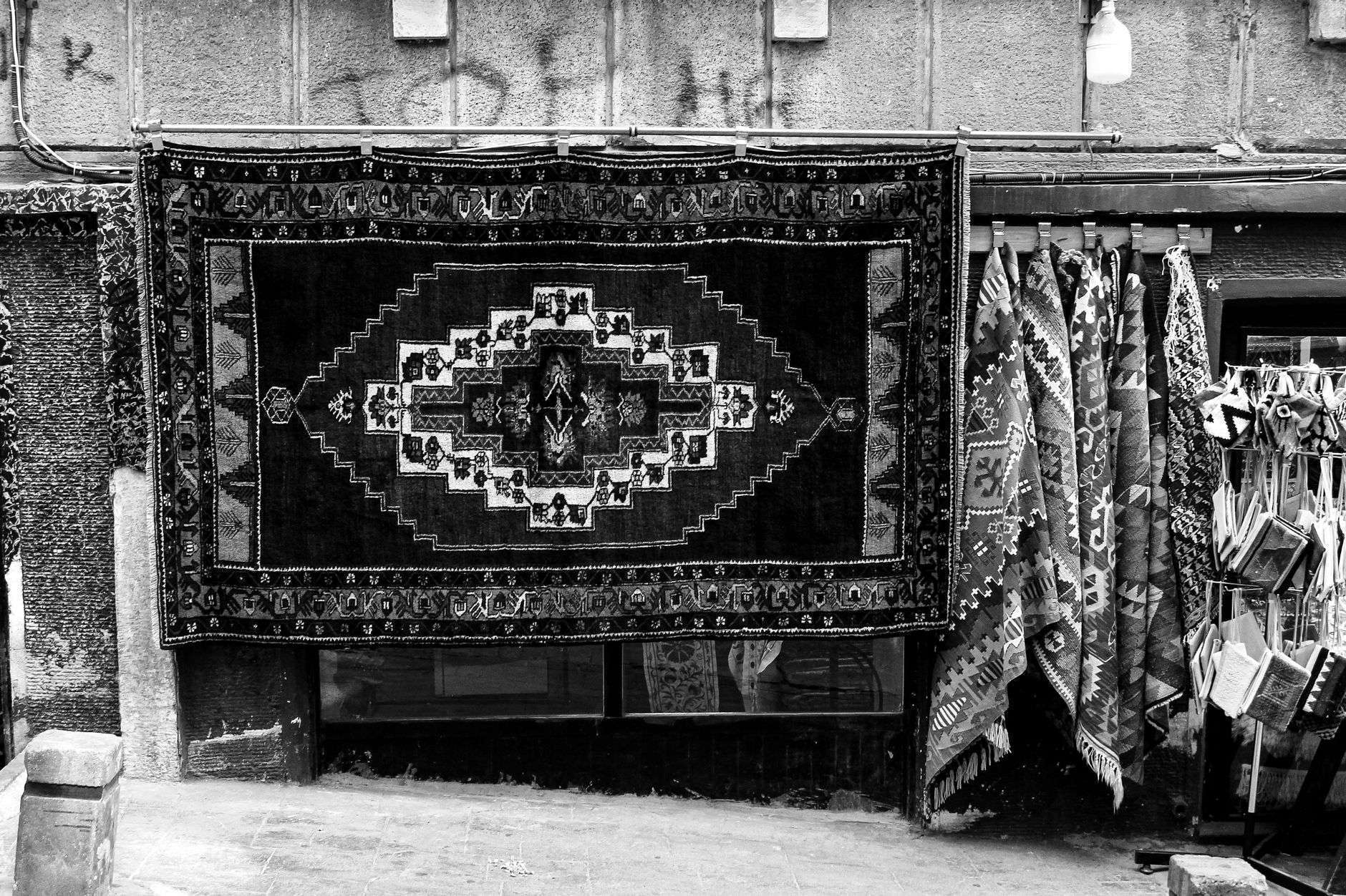
Large Tapestry Wall Art: How to Style Any Room
Blank walls are one of the biggest missed opportunities in luxury interior design. Large tapestry wall art has become the defining statement piece of 2026, offering texture, color, and artisan craftsmanship that no framed print can match. A single oversized woven tapestry can anchor an entire room, set a mood, and introduce layers of visual warmth that painted walls simply cannot achieve. Whether your home leans modern, bohemian, or classically opulent, there is a textile wall decor option that fits beautifully. This guide covers everything you need to choose, hang, and style tapestry art with confidence.

What Is Large Tapestry Wall Art and Why Is It Trending in 2026?
Large tapestry wall art is a woven or fiber-based textile mounted on a wall as a decorative focal point, typically measuring 40 inches wide or larger. According to Architectural Digest (2026), textile-based wall decor has surged in popularity as homeowners seek tactile, handcrafted alternatives to mass-produced canvas prints.
The renewed interest has several clear drivers. First, the broader shift toward maximalist home decor has made bold, textured walls aspirational rather than excessive. Second, a growing appreciation for artisan tapestry and handwoven tapestry traditions — from Flemish weaving to South American fiber arts — has brought craft-forward pieces into luxury interiors. Third, buyers in 2026 are prioritizing sustainability, and natural-fiber fabric wall art feels more aligned with that value.
Contemporary tapestry art also bridges historical grandeur with current design sensibilities. The Metropolitan Museum of Art (2026) houses some of the world’s most celebrated woven tapestries, and interior designers frequently cite historical textile traditions as direct inspiration for modern placements.
- Bohemian wall hanging styles remain popular in casual, layered spaces.
- Abstract tapestry design is gaining ground in contemporary and minimalist interiors.
- Neutral tapestry decor appeals to buyers who want texture without bold color.
The result is a decorative wall hanging category that feels both deeply rooted and genuinely fresh in 2026.
How to Choose the Right Size Tapestry for Your Wall
The right tapestry size depends on your wall dimensions, ceiling height, and surrounding furniture scale. As a general rule, your tapestry should span at least two-thirds the width of the furniture below it — the same proportion that guides living room wall art placement in most professional installations.
For a standard sofa wall, a tapestry between 60 and 80 inches wide reads as genuinely oversized wall art without overwhelming the room. Rooms with ceilings above ten feet can support pieces that run 70 inches tall or more, creating a dramatic vertical sweep. In a bedroom, consider how the tapestry relates to the bed width — a piece hung above a king bed should ideally be 60 inches wide or wider.
According to Elle Decor (2026), oversized wall art placed too small for its wall is one of the most common decorating mistakes in luxury homes. Measuring your wall carefully before purchasing prevents this entirely avoidable error.
I recently worked on a brownstone living room in Brooklyn where the clients had purchased a beautiful handwoven tapestry that was only 48 inches wide for a 12-foot wall. The piece looked marooned. We replaced it with a large woven wall tapestry at 72 inches, and the transformation was immediate — the room finally felt intentional.
Always add four to six inches of visual breathing room on each side. A tapestry that touches the edges of a wall can feel cramped rather than curated.

Which Styles of Large Tapestry Wall Art Suit Luxury Interiors?
The style of tapestry you choose should reinforce your room’s existing design language rather than fight against it. Luxury interiors in 2026 embrace a wide range of tapestry aesthetics, from restrained and neutral to richly layered and ornate.
Contemporary tapestry art with abstract shapes and muted palettes pairs naturally with modern furniture lines. These pieces often feature geometric patterning or color-block compositions that feel sculptural without being decorative in a traditional sense. A good abstract tapestry design in charcoal and ivory can anchor a room that relies on clean architectural details.
Vintage tapestry decor draws from European weaving traditions — think botanical motifs, hunting scenes, or richly colored medallion patterns. These work exceptionally well in formal living rooms and library spaces where they add historical depth.
Bohemian wall hanging styles feature fringe, natural fibers, and organic shapes. They suit spaces with rattan furniture, indoor plants, and layered textiles. According to House Beautiful (2026), fiber wall art in natural cotton and jute remains one of the top-selling wall decor categories for rooms that blend boho and luxury aesthetics.
Macrame wall hanging pieces, though more sculptural than painted, qualify as statement wall pieces when crafted at a large scale. A macrame panel in bleached cotton or natural hemp adds three-dimensional texture that photography cannot fully capture — it must be experienced in person.
For rooms designed around luxury wall decor principles, the artisan tapestry category — pieces made by named makers or small studios — consistently outperforms mass-produced options in perceived quality and resale value.
How to Hang a Large Tapestry Without Damaging Your Walls
Hanging a large tapestry correctly protects your walls and ensures the piece hangs straight and taut over time. The method you choose depends on the tapestry’s weight, your wall material, and whether you want a permanent or temporary installation.
For lightweight fabric wall art, heavy-duty adhesive wall strips work reliably on smooth drywall without any nail holes. Brands like Command offer strips rated for up to 16 pounds per pair, which is sufficient for many cotton or polyester tapestries.
Heavier handwoven tapestry pieces — particularly those made with wool, silk, or layered fiber — require more structural support. A wooden dowel rod threaded through a rod pocket at the top of the tapestry, then supported by two wall-mounted hooks, distributes weight evenly and prevents sagging. Use drywall anchors rated for at least twice the tapestry’s weight.
- Curtain rod brackets mounted at ceiling height give a dramatic, floor-grazing installation effect.
- Velcro mounting tape works well for lightweight decorative wall hanging pieces in rental apartments.
- Stitch a fabric sleeve along the back top edge if your tapestry lacks a rod pocket — any tailor can do this inexpensively.
According to the American Society of Interior Designers (2026), improper mounting is the leading cause of tapestry damage in residential installations. Always check that mounting hardware is rated for the full load before hanging.

What Are the Best Rooms for Displaying Large Tapestry Wall Art?
Almost every room in a luxury home benefits from a well-chosen tapestry, but certain spaces offer the ideal conditions for maximum visual impact.
Living rooms are the most natural home for a large statement wall piece. The wall behind a sofa — often called the anchor wall — provides both the square footage and the sight lines needed for a tapestry to command attention. For living room wall art, consider how the tapestry interacts with your throw pillows, rug, and curtain color. You might also explore our guide to 7 chic and modern living room ideas for complementary styling inspiration.
Bedrooms benefit enormously from bedroom tapestry ideas centered on texture and softness. A large tapestry above the headboard replaces the need for a traditional headboard entirely in some design schemes, and it adds acoustic softness that helps with sleep quality.
Dining rooms with high ceilings and long walls are ideal for vintage tapestry decor. A floor-to-ceiling tapestry transforms a formal dining room into something that feels like a historic estate without requiring antique furniture throughout.
Entryways and hallways often lack the wall width for oversized art, but a vertically oriented tapestry — tall and narrow — can make a dramatic first impression in a foyer. According to Veranda (2026), entryway textiles set the tonal expectation for an entire home’s interior design.
Home offices also benefit from a textile wall decor backdrop — particularly for video calls, where a rich woven tapestry signals taste and professionalism simultaneously.
How to Layer Tapestry Art With Other Luxury Home Decor Elements
A tapestry works hardest when it is layered thoughtfully with the other elements in a room rather than treated as a standalone object. Layering creates the kind of depth that characterizes genuinely luxurious interiors.
Start by considering the floor plane. A large area rug that shares one or two colors with the tapestry creates a visual dialogue between floor and wall. This technique — called color echoing — is standard in high-end residential design and is something I return to on nearly every project.
In one recent project in a San Francisco Pacific Heights townhouse, I paired a large indigo and cream bohemian large tapestry wall hanging with a jute rug, brass floor lamp, and a stack of art books on a low credenza. The layered result felt curated rather than collected.
“A tapestry should never feel like it was simply placed on a wall. It should feel like it grew there — pulled into the room by the objects around it,” says Sarah Bennett, Interior Design Specialist.
Lighting amplifies tapestry texture dramatically. Picture lights mounted above the piece or an angled floor lamp directed at the tapestry surface create shadows that reveal weave depth invisible under flat overhead light. For affordable options, our roundup of budget-friendly ambient lighting for living rooms is worth exploring.
Gallery wall ideas around a tapestry work best when you treat the tapestry as the anchor and add smaller framed prints or ceramic wall discs at its sides — never above it, which competes for dominance. Sculptural objects on a nearby console or shelf extend the conversation without cluttering the wall itself.

Where to Buy the Best Large Tapestry Wall Art in 2026
Sourcing high-quality large tapestry wall art requires knowing where genuine artisan tapestry work is sold versus where mass-produced imitations dominate. In 2026, the best sources span independent makers, established luxury retailers, and curated online platforms.
Independent artisan marketplaces like Etsy still lead for handwoven tapestry pieces made by individual weavers. Filtering by “handmade,” “natural fiber,” and “large format” narrows results to genuine craft work. Expect to communicate directly with makers about custom sizing.
Specialty home decor retailers such as Anthropologie, West Elm, and Restoration Hardware carry collections of contemporary tapestry art and fiber wall art that meet luxury-quality standards. Their pieces are generally tested for colorfastness and include proper hanging hardware.
Amazon offers a vast range across every price tier. For reliable quality at the mid-range, look for pieces with verified reviews that mention material weight and color accuracy. A luxury large handwoven tapestry wall art search returns both studio-made options and manufacturer pieces — read descriptions carefully to distinguish them.
According to Elle Decor (2026), auction houses including Christie’s and Sotheby’s increasingly feature contemporary fiber art alongside traditional fine art, signaling that the category has reached serious collector status.
For vintage tapestry decor, 1stDibs and Chairish are the most trusted resale platforms. Both verify seller credibility and offer buyer protection, which matters when purchasing antique textile pieces at significant price points.
According to House Beautiful (2026), buyers should always request a detailed material description and high-resolution photographs of the weave before purchasing any tapestry above the $500 price point online.
Large Tapestry Wall Art: Product Comparison
| Item | Material / Style | Best For | Price Tier |
|---|---|---|---|
| Large Handwoven Wool Tapestry Wall Art | Handwoven wool, earthy tones | Luxury living rooms, formal dining rooms | Premium ($300–$800+) |
| Bohemian Macrame Wall Hanging Large | Cotton rope, macrame knotting | Boho-luxury bedrooms, entryways | Mid-range ($80–$250) |
| Abstract Contemporary Tapestry Wall Art | Cotton-polyester blend, geometric print | Modern minimalist homes, home offices | Affordable ($40–$120) |
| Vintage European Style Tapestry Wall Hanging | Jacquard woven polyester, antique motifs | Library walls, formal dining, classic interiors | Mid-range ($100–$300) |
| Neutral Fiber Wall Art Large Tapestry | Natural cotton and jute, neutral palette | Scandinavian, coastal, and minimalist rooms | Mid-range ($90–$220) |

Frequently Asked Questions
What size tapestry is considered large for a living room wall?
A tapestry is generally considered large for a living room when it measures at least 60 inches wide and 40 inches tall. For walls above a sofa, the piece should span at least two-thirds of the sofa’s width. In rooms with ceilings above ten feet, tapestries 70 inches or taller read as appropriately scaled oversized wall art rather than small accent pieces.
How do you hang large tapestry wall art without nails?
For lightweight tapestries, heavy-duty adhesive strips rated for 12 to 16 pounds work reliably on smooth drywall. Velcro mounting tape is another strong option for fabric wall art in rental spaces. For heavier handwoven tapestry pieces, tension curtain rods placed inside a rod pocket allow hanging without any wall damage, though this works best in narrower doorway or window-adjacent installations.
What rooms look best with large tapestry wall art?
Living rooms, bedrooms, and dining rooms are the strongest candidates for large tapestry wall art. Living rooms offer the sight lines and furniture scale that let a statement wall piece shine. Bedrooms benefit from the acoustic softness and visual warmth tapestries provide. Dining rooms with high ceilings are ideal for vintage tapestry decor that adds historical depth. Entryways and home offices also respond well to textile wall decor.
Is tapestry wall art still in style in 2026?
Yes, tapestry wall art is very much in style in 2026. The trend has matured from its initial bohemian-focused moment into a broader luxury wall decor category that includes contemporary tapestry art, artisan handwoven pieces, and collector-grade fiber wall art. According to Architectural Digest (2026), textile-based wall decor is one of the defining interior design movements of this year across both residential and hospitality design.
How do I keep a large tapestry from sagging on the wall?
Sagging is almost always caused by inadequate support at the top edge. Use a wooden dowel rod threaded through a rod pocket sewn into the tapestry’s top hem, supported by two evenly spaced wall hooks. This distributes weight across the full width. For very heavy handwoven tapestry pieces, a third central hook prevents mid-span droop. Avoid hanging from a single central point, which concentrates load and causes the characteristic V-sag.
What materials are used in luxury large tapestry wall art?
High-quality luxury tapestries are made from wool, silk, cotton, linen, and natural plant fibers like jute and hemp. Wool is the traditional choice for artisan tapestry, prized for its color depth and durability. Silk adds sheen and fineness to intricate patterns. Cotton is widely used in bohemian wall hanging and fiber wall art for its softness and dyeability. Synthetic blends are common in printed tapestries at lower price points but lack the tactile quality of natural fibers.
Can large tapestry wall art work in a modern minimalist home?
Yes, and it often works better than expected. The key is choosing a neutral tapestry decor piece — think undyed cotton, natural linen textures, or a restrained abstract tapestry design in two tones. In a minimalist space, the tapestry’s texture does the visual work that color and pattern do elsewhere. A single large handwoven tapestry in cream or warm grey adds organic warmth without introducing the visual clutter that minimalism avoids. Our guide on budget-friendly minimalist home decor tips offers additional guidance.
How much should I expect to spend on a high-quality large tapestry?
Expect to spend $80 to $250 for a mid-range decorative wall hanging in cotton or blended fiber. Genuine artisan tapestry made by independent weavers typically starts around $200 and can reach $1,000 or more for large, intricate handwoven tapestry work. Vintage tapestry decor from reputable resellers runs $300 to several thousand dollars depending on age and provenance. Mass-market printed tapestries are available under $50 but lack the material quality of higher-tier options.
About the Author
Sarah Bennett is an interior design specialist who writes about styling luxury residential interiors, covering layout, lighting, color, and the finishing details that pull a room together.
For editorial inquiries, contact the HomesAndLuxury team at HomesAndLuxury.com/contact.
Sources
- Architectural Digest (2026) — Textile wall decor trend report.
- Elle Decor (2026) — Oversized wall art sizing guide; online tapestry purchasing advice.
- House Beautiful (2026) — Fiber wall art market trends; tapestry purchasing guidance.
- Veranda (2026) — Entryway textile styling and tone-setting in luxury homes.
- The Metropolitan Museum of Art (2026) — Historical woven tapestry collections and design influence.
- American Society of Interior Designers (2026) — Best practices for mounting and hanging textile wall art.
This article was researched and structured with AI assistance and reviewed for accuracy by the HomesAndLuxury editorial team.
