


Which Coastal Floor Lamps Best Elevate Your Beach Home?
Choosing the right lighting can make or break the atmosphere of a beach-inspired interior. Coastal floor lamps are the single most effective way to anchor a relaxed, sun-washed living room without a full renovation. The best options draw from natural materials, soft tones, and organic shapes that echo the shore. This guide breaks down every factor worth considering, from materials and scale to color and budget, so you can shop with confidence.
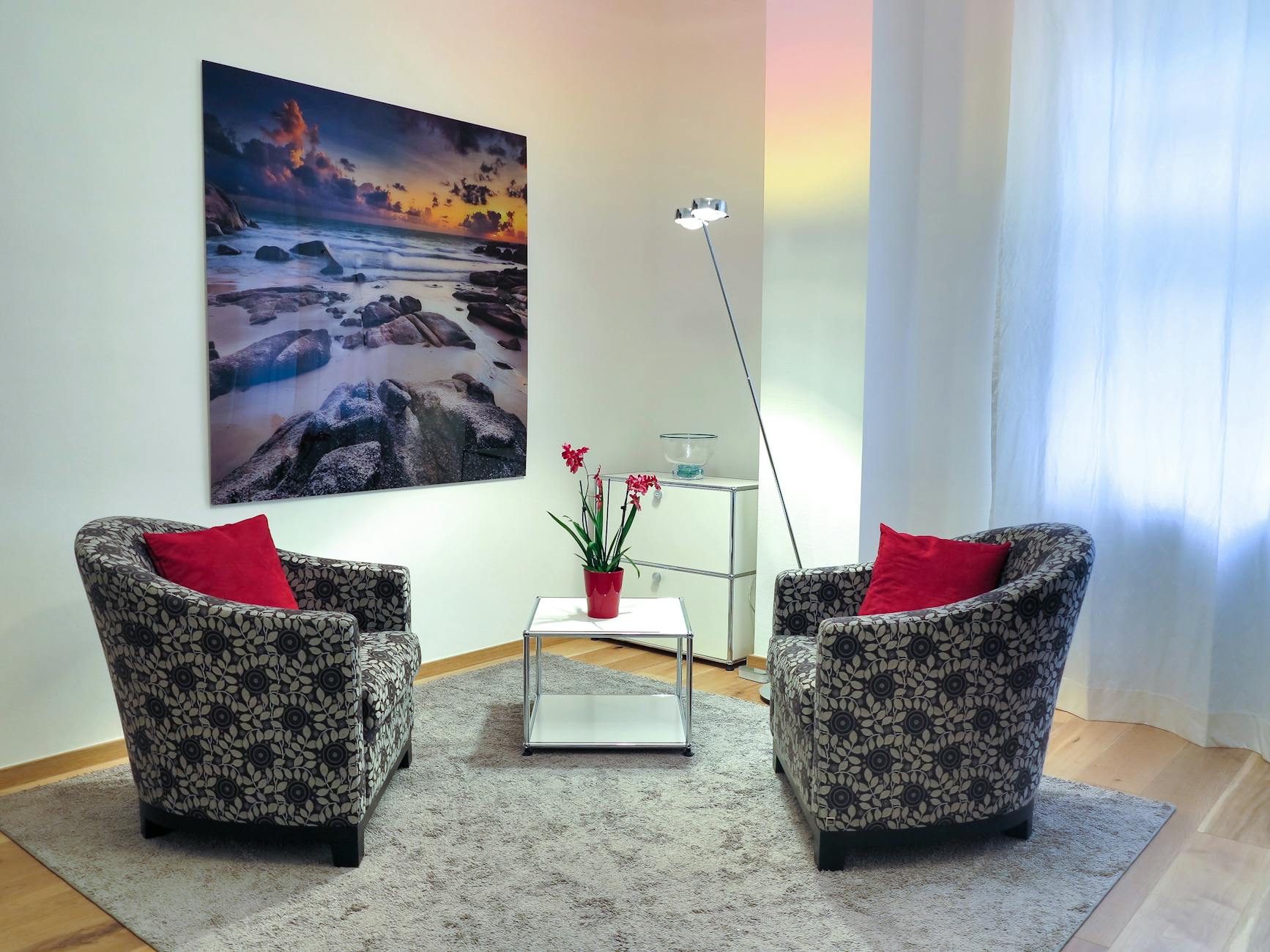
What Makes a Floor Lamp Truly Coastal in Style and Feel?
A floor lamp earns the coastal label when its materials, finish, and silhouette all reference the natural world of sea, sand, and shore. It is not simply a matter of slapping a blue stripe on any standard lamp base. The connection has to feel organic.
According to Architectural Digest (2026), the defining characteristic of authentic beach house lighting is texture. Rough, tactile surfaces like woven seagrass, raw driftwood, or braided rope communicate a sensory link to the outdoors that smooth, lacquered finishes simply cannot replicate.
The shade matters just as much as the base. A linen drum shade floor lamp filters light into warm, honey-toned pools that mimic late-afternoon sun on the water. Pair that with a seagrass woven base or a whitewashed wood lamp column and you have something that reads as genuinely coastal rather than merely nautical-themed.
Coastal style in 2026 has also moved away from overly literal motifs. Anchors, lighthouses, and cartoon crabs have given way to a more refined bohemian coastal lamp aesthetic rooted in organic modern sensibilities. Think sculptural forms, salt air finishes on metal accents, and natural fiber lampshades that cast dappled, shadow-play light across a room.
- Texture is the primary cue: woven, rough, or weathered surfaces feel coastal.
- Shades in linen, cotton gauze, or woven grass diffuse light softly.
- Avoid overly themed decor; opt for organic shapes instead.
Top Materials That Define Authentic Coastal Floor Lamps
Material choice is the single fastest way to signal coastal intent, and the best options in 2026 are overwhelmingly natural or nature-inspired.
Rattan and seagrass top the list. A rattan floor lamp brings immediate warmth and texture. Rattan is a fast-growing palm-family vine, which makes it an environmentally sound choice as well. Seagrass woven bases share that same earthy quality and tend to be slightly more moisture-resistant, a genuine advantage in humid see environments.
Driftwood lamp bases occupy a different register entirely. Each piece is unique, shaped by water and time. According to Elle Decor (2026), driftwood and reclaimed wood lamp bases have seen a 30 percent increase in search interest among luxury coastal home decor shoppers this year.
Rope and jute accents work beautifully as secondary textures. A rope accent lamp wound tightly around a slim metal column delivers nautical warmth without veering into theme-park territory. Capiz shell pendant influence has also crossed into floor lamp design, with some bases featuring shell-inlaid panels that scatter prismatic light across white walls.
For metal components, seek out a salt air finish rather than standard chrome or polished brass. Brushed nickel, oxidized bronze, and weathered iron all hold up better in high-humidity homes and contribute to the overall see home decor narrative.
I recently sourced a whitewashed wood lamp with a hand-knotted rope shade for a beachfront property in the Outer Banks. The client had tried three other lamps first. The moment this one arrived, the entire living room finally felt cohesive. The material, not the style category, made the difference.
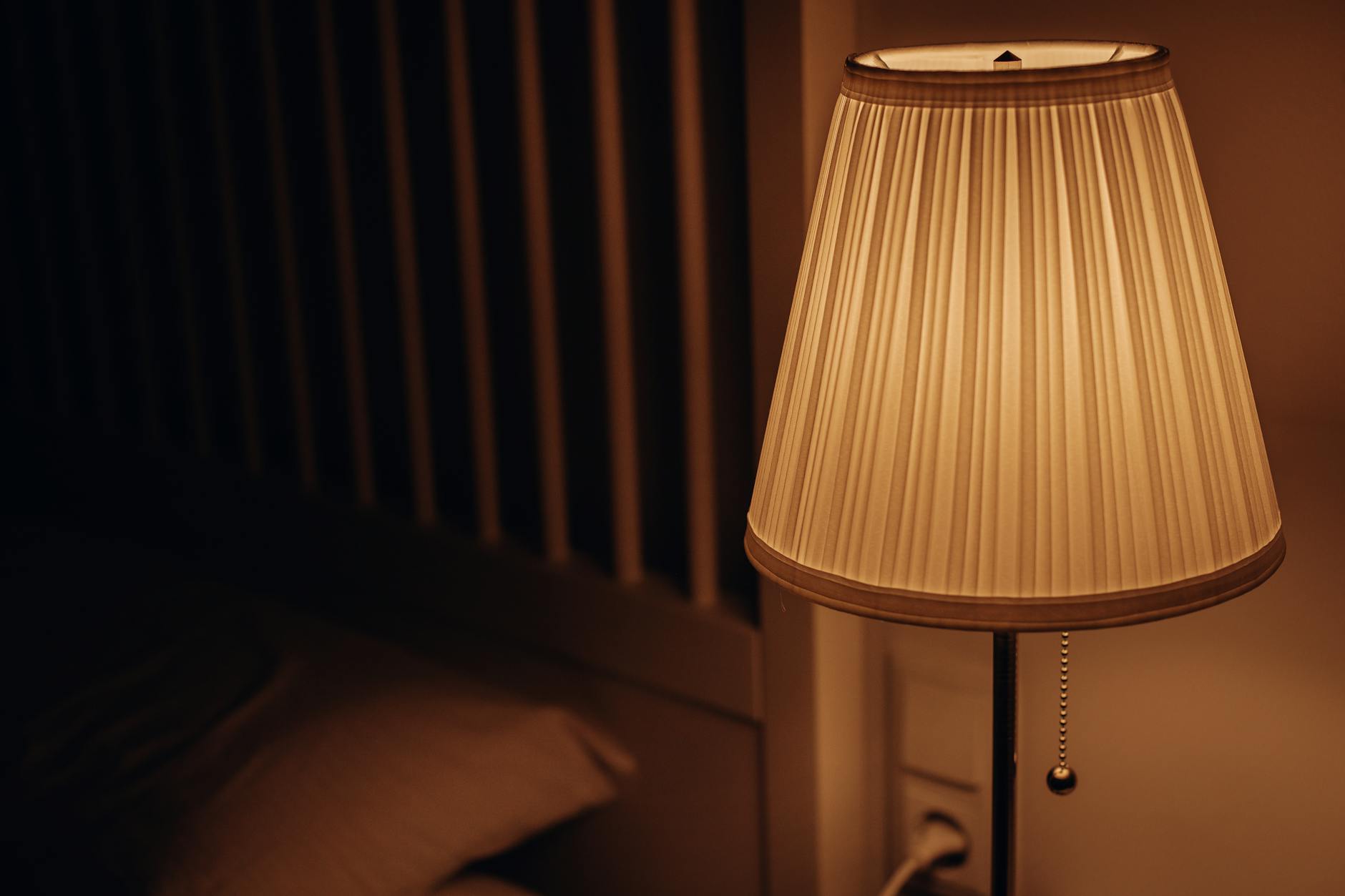
How Do You Choose the Right Height and Scale for Your Space?
The correct floor lamp height for most seating arrangements is between 58 and 64 inches tall, measured from floor to the bottom of the shade. This keeps the light source at or just above seated eye level, which produces comfortable ambient beach lighting without glare.
Scale is about proportion, not just inches. A large sectional sofa in an open-plan coastal living room can handle a lamp that stands 65 to 68 inches. A loveseat or a smaller armchair calls for something closer to 58 inches so the lamp does not visually overwhelm the seating.
Arc floor lamps present a special case. A coastal arc floor lamp extends over the seating area, which means the overall footprint of the base must be wide and stable enough to prevent tipping. According to House Beautiful (2026), arc styles work particularly well in beach homes with high, vaulted ceilings because the sweeping curve echoes the dramatic lines of the architecture.
Shade diameter also affects perceived scale. A wide drum shade of 16 to 18 inches reads as substantial and grounded. A narrow shade on a tall base can look spindly in a large, sunlit coastal room. Always proportion the shade width to at least one-third of the lamp’s total height.
For small living rooms in coastal homes, a slim woven-base lamp with a smaller 12-inch shade avoids visual clutter while still adding layered light.
Best Coastal Floor Lamp Styles for Open-Plan Living Rooms
Open-plan spaces reward floor lamps that act as visual anchors, defining a seating zone within a larger, uninterrupted floor plate. The right coastal floor lamp does the work of a room divider without blocking sightlines or natural light.
The organic modern lamp is the defining style of 2026. Clean, curved silhouettes in natural materials — think a turned whitewashed wood column under a wide woven shade — fit seamlessly alongside both contemporary and transitional furnishings. According to Veranda (2026), organic modern is the dominant aesthetic in luxury coastal home decor right now, replacing the more rustic shiplap-heavy look of the early 2020s.
The bohemian coastal lamp suits rooms with more eclectic layering. Macramé-wrapped bases, fringe-trimmed shades, and mixed-material constructions all belong here. This style pairs naturally with a collected, well-traveled interior rather than a tightly curated showroom feel.
Nautical floor lamps remain relevant when executed with restraint. A navy and brass combination, or a deep sea-glass green glaze on a ceramic base, reads as nautical without announcing it loudly. Pair with a linen shade in warm white and the lamp becomes part of the room’s story rather than a costume piece.
For larger open-plan rooms, consider two matching lamps flanking a sofa rather than one. Symmetry creates a sense of calm that suits coastal living room lighting perfectly.

Layering Light: Pairing Coastal Lamps With Natural Textures
Layered light — combining ambient, task, and accent sources — is what separates a professionally decorated beach home from a simply furnished one. A coastal floor lamp is the ambient anchor around which everything else builds.
Start with the lamp itself, then add texture at every surface it illuminates. A woven shade floor lamp casts a pattern of light and shadow across nearby walls. That effect is amplified by textured surfaces: raw plaster, grasscloth wallpaper, linen drapery, or jute rugs all become dynamic when woven light plays across them at dusk.
According to the American Society of Interior Designers (2026), pairing natural fiber lampshades with live plants is one of the most effective ways to create a biophilic interior atmosphere. The lamp’s warm glow highlights the organic forms of the plants, extending the coastal-meets-nature feeling into the evening hours. For plant placement ideas that work beautifully alongside floor lamps, see our guide on 10 best indoor plants for living room corners.
Mirrors also amplify layered coastal light. A large organic-shaped mirror placed opposite a floor lamp can nearly double the perceived warmth and depth of a room. This technique is particularly effective in beach homes where windows face a single direction and the opposite wall tends to stay dark after sunset.
“The best coastal rooms I have worked in are never lit by a single source. The floor lamp is the heart, but it needs companions — candles, wall sconces, even the ambient glow of outdoor string lights seen through a glass door — to feel truly alive at night.” — Marcus Hale, Home Decor Consultant
What Color Palettes Work Best With Coastal Floor Lamps?
The most successful color pairings for coastal floor lamps lean into the natural spectrum of the shore: sand, bleached wood, sea foam, and the full range of blues from pale sky to deep navy.
A blue and white lamp base is the classic choice and remains popular in 2026. According to House Beautiful (2026), blue and white ceramic bases influenced by Portuguese and Dutch delftware are among the top-selling coastal lighting styles this year. They work against white walls and warm wood tones equally well.
Neutral palettes give you more flexibility. A lamp in natural rattan or undyed linen sits comfortably in a room built around warm sand tones, bleached oak flooring, and soft terracotta accents. This palette is more grounded than the traditional crisp blue-and-white coastal scheme and suits the organic modern lamp direction of 2026.
For a bolder approach, consider a lamp with a seafoam green or slate-blue base against a warm white wall. The color contrast adds visual interest without competing with furniture. According to Architectural Digest (2026), muted green-blues pulled from sea glass are among the breakout accent colors in luxury coastal home decor this season.
- Sand, warm white, and bleached wood tones are the safest base palette.
- Blue and white ceramic adds classic coastal character.
- Sea glass greens and muted slate blues work as bold accent choices.

How to Shop Smart: Quality Signals and Budget Tiers in 2026
Knowing what separates a well-made coastal floor lamp from a low-quality replica saves both money and frustration, especially when buying online.
At the luxury tier (above $400), look for hand-woven construction, solid wood or natural stone bases, and UL-listed wiring. According to Elle Decor (2026), the best luxury coastal lamps in this tier feature sustainably sourced rattan and hand-stitched linen shades. They are built to last through many seasons of salt-air humidity.
The mid-range tier ($150 to $400) is where most shoppers find the best value in 2026. Many reputable brands now produce seagrass woven base lamps and woven shade floor lamps in this range that rival the look and feel of higher-priced pieces. Check for solid base construction (not hollow particleboard), reinforced shade stitching, and a minimum 6-foot cord.
The budget tier (under $150) can yield good results if you focus on the shade rather than the base. A quality natural fiber lampshade transforms even a modest base into something that reads as intentional. Avoid bases made from printed-paper or thin plastic attempting to mimic rattan texture.
Always verify the lamp’s CRI (Color Rendering Index). A bulb with a CRI of 90 or above renders the warm tones of natural materials most accurately, which is essential for getting the full effect of a coastal interior after dark. According to U.S. Department of Energy (2026), LED bulbs in the 2700K to 3000K range deliver the warmest, most flattering ambient beach lighting.
Coastal Floor Lamp Comparison Table
| Item | Material / Style | Best For | Price Tier |
|---|---|---|---|
| Rattan Arc Floor Lamp | Hand-woven rattan, linen shade | Open-plan living rooms, vaulted ceilings | Mid-range ($200–$350) |
| Driftwood Floor Lamp | Reclaimed driftwood, drum shade | Luxury beach homes, statement corners | Luxury ($450+) |
| Seagrass Woven Base Floor Lamp | Natural seagrass, cotton shade | Humid coastal rooms, bohemian interiors | Mid-range ($150–$280) |
| Blue and White Ceramic Floor Lamp | Hand-painted ceramic, linen shade | Classic coastal, nautical living rooms | Mid-range to Luxury ($250–$500) |
| Whitewashed Wood Floor Lamp | Whitewashed solid wood, woven shade | Organic modern coastal, neutral interiors | Mid-range ($180–$320) |

Frequently Asked Questions
What is the best coastal floor lamp for a small beach house living room?
For a small space, choose a slim-profile lamp with a seagrass or rattan base no wider than 12 inches in diameter and a shade no larger than 14 inches across. A straight-column style takes up less visual real estate than an arc. Keep the overall height between 58 and 60 inches to stay proportional. Pair it with a light linen shade to keep the room feeling airy rather than heavy. For additional ideas on making small spaces work, see our guide on how to decorate a small living room.
How do I style a coastal floor lamp with neutral furniture?
Place the lamp at the end or corner of a sofa, letting it define the boundary of your seating zone. Add a woven throw basket nearby, a jute rug underfoot, and a simple botanical print on the adjacent wall. The lamp’s natural texture does the heavy lifting. Avoid too many competing patterns. Stick to two or three textures maximum — linen, jute, and wood, for example — so the lamp remains a focal point rather than disappearing into a crowded vignette.
Are rattan floor lamps durable enough for humid coastal environments?
Yes, with reasonable care. Rattan is naturally flexible and handles moderate humidity well. It performs best when kept out of direct rain and away from heating vents that cause rapid moisture cycling. Treat the rattan annually with a diluted linseed oil solution to prevent brittleness. According to Architectural Digest (2026), sealed rattan and seagrass woven bases are among the most humidity-tolerant natural materials available for beach house lighting in 2026.
What wattage bulb should I use in a coastal floor lamp for warm ambiance?
Use an LED bulb rated between 800 and 1,100 lumens (equivalent to a 60 to 75-watt incandescent) in the 2700K to 3000K color temperature range. This produces a warm, golden light that flatters natural materials. Avoid cool-white bulbs above 4000K, which make linen shades look harsh and wash out the warm tones of rattan and wood. Always check the lamp’s maximum wattage rating before installing any bulb to avoid overheating the shade.
How tall should a coastal floor lamp be next to a sofa?
The bottom of the shade should sit at approximately 60 to 63 inches from the floor when the lamp is placed beside a standard sofa. This puts the light source just above seated eye level, which prevents glare and creates comfortable reading or ambient light. If your sofa has a particularly high back (above 34 inches), you may need a lamp that stands 64 to 66 inches total to maintain that proportion. Always measure before purchasing.
Can coastal floor lamps work in non-beach homes for a relaxed look?
Absolutely. The materials and textures associated with coastal floor lamps — rattan, linen, whitewashed wood, rope — translate naturally into any interior that prioritizes warmth and relaxation. City apartments, mountain cabins, and suburban living rooms all benefit from the unhurried atmosphere these lamps create. The key is pairing the lamp with compatible textures like natural wool, raw wood, or live plants rather than sleek, high-gloss finishes that create visual contrast.
What are the most popular coastal floor lamp trends in 2026?
The dominant trends in 2026 include organic modern shapes in whitewashed or natural wood, oversized woven drum shades in seagrass or abaca fiber, and the continued rise of bohemian coastal lamps with mixed-material bases. Capiz shell accent details have re-emerged on high-end pieces. According to Veranda (2026), sustainable sourcing and handcrafted construction are now primary purchase drivers for luxury coastal home decor shoppers alongside pure aesthetics.
How do I clean and maintain a woven or rattan coastal floor lamp?
Dust weekly with a soft brush or the upholstery attachment on a vacuum set to low suction. For deeper cleaning, wipe the base with a barely damp cloth — never soaking wet — and dry immediately with a clean towel. Avoid commercial furniture sprays, which can leave residue in the weave. For linen or natural fiber shades, use a lint roller for dust and a very lightly damp sponge for spot stains. Allow the shade to air dry fully before switching the lamp back on.
About the Author
Marcus Hale is a home decor consultant who writes about curating furnishings, art, and accents for elevated, comfortable homes. For project inquiries and consultations, contact Marcus at marcus@homesandluxury.com or visit HomesAndLuxury.com.
Sources
- Architectural Digest (2026) — Coastal lighting trends and rattan durability in beach homes.
- Elle Decor (2026) — Driftwood lamp base search trends and luxury coastal lamp construction standards.
- House Beautiful (2026) — Arc floor lamps for high-ceiling beach homes and blue-and-white ceramic base trends.
- Veranda (2026) — Organic modern as the dominant luxury coastal aesthetic and sustainable sourcing as a purchase driver.
- American Society of Interior Designers (2026) — Biophilic design pairing of natural fiber lampshades with live plants.
- U.S. Department of Energy (2026) — LED bulb color temperature guidance for warm ambient residential lighting.
This article was researched and structured with AI assistance and reviewed for accuracy by the HomesAndLuxury editorial team.
{
“@context”: “https://schema.org”,
“@graph”: [
{
“@type”: “Article”,
“headline”: “Which Coastal Floor Lamps Best Elevate Your Beach Home?”,
“author”: {
“@type”: “Person”,
“name”: “Marcus Hale”,
“jobTitle”: “Home Decor Consultant”
},
“datePublished”: “2026-06-21”,
“dateModified”: “2026-06-21”,
“publisher”: {
“@type”: “Organization”,
“name”: “HomesAndLuxury”,
“url”: “https://homesandluxury.com”
},
“description”: “Discover the best coastal floor lamps to elevate your luxury home decor in 2026. Shop expert-curated styles for every beach-inspired living space.”,
“mainEntityOfPage”: {
“@type”: “WebPage”,
“@id”: “https://homesandluxury.com/coastal-floor-lamps/”
}
},
{
“@type”: “FAQPage”,
“mainEntity”: [
{
“@type”: “Question”,
“name”: “What is the best coastal floor lamp for a small beach house living room?”,
“acceptedAnswer”: {
“@type”: “Answer”,
“text”: “For a small space, choose a slim-profile lamp with a seagrass or rattan base no wider than 12 inches in diameter and a shade no larger than 14 inches across. A straight-column style takes up less visual real estate than an arc. Keep the overall height between 58 and 60 inches to stay proportional. Pair it with a light linen shade to keep the room feeling airy rather than heavy.”
}
},
{
“@type”: “Question”,
“name”: “How do I style a coastal floor lamp with neutral furniture?”,
“acceptedAnswer”: {
“@type”: “Answer”,
