
Curb appeal is not about size. A small home can look polished with a few well-chosen changes at the front: colour, lighting, planting and tidy details. These nine ideas work on a budget and can be done a step at a time.
What the data says about exterior upgrades
Exterior work is one of the few areas where published industry figures back up the idea that small changes matter. In the 2025 Remodeling Cost vs. Value report (national averages, reproduced in this copy of the report), replacing a steel entry door had an average job cost of $2,435 and an estimated 216% of that cost recouped at resale, while garage door replacement averaged $4,672 with an estimated 268% recouped. These are US averages and modelled resale estimates, so treat them as a guide to priorities rather than a promise for your own house.
The National Association of Realtors found something similar from the agent side: its 2023 Remodeling Impact Report on outdoor features, as summarised by Florida Realtors, reported that 92% of Realtors recommend sellers improve their home’s exterior before listing, with landscape maintenance (74%) the most commonly recommended project. In other words, the cheap, visible jobs below are the ones professionals point to first.
Key takeaways
- The front door, house numbers and lighting give the biggest return for the least money.
- Limit the exterior palette to two or three colours.
- Plant in odd numbers and repeat the same plants for a tidy look.
- Check local rules and any lease or association restrictions before painting or changing the facade.

9 upgrades for a small home exterior
1. Repaint the front door
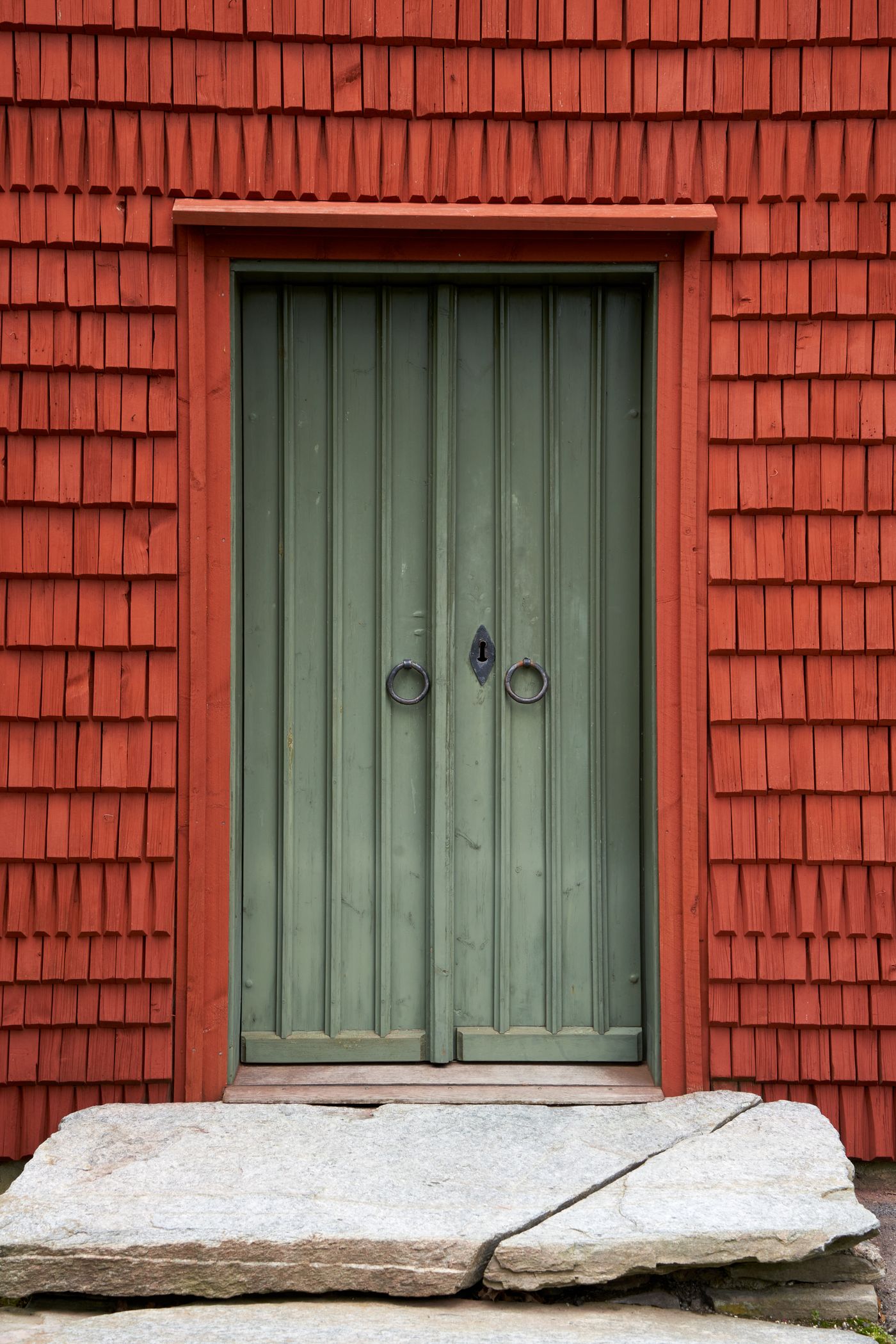
A strong door colour is the fastest update. Deep green, navy or black work on most facades. Sand and prime bare or glossy surfaces first and use an exterior-rated paint, otherwise the finish peels within a season or two. Remove or mask the hardware rather than painting over it.
2. Swap the house numbers and mailbox
Large, clear numbers look smart and help visitors and deliveries find you.
3. Add warm outdoor lighting
Wall lights either side of the door and a path light or two make the entrance feel welcoming at night. Look for warm white bulbs (around 2700K) so the light flatters brick, render and paint rather than washing them out; fixtures should be rated for outdoor or damp locations.
4. Use matching planters
Two identical planters beside the door give a balanced, formal look. Choose planters large enough that the soil does not dry out in a day; our guide to rustic garden planters compares materials and styles.
5. Define the path
Edging, gravel or paving stones create a clear route to the door. Keep it clean and weed-free. For wider planting ideas, see our garden design ideas.

6. Tidy the facade
Wash walls, clean windows and repair loose trim. Clean surfaces make paint colour look better.
7. Add window boxes
Window boxes add colour and softness to a small front. Choose plants suited to your climate and light.
8. Choose a simple colour scheme
One wall colour, one trim colour and one door accent keep a small home looking calm. Our room paint calculator can help estimate paint.
9. Add a small seating spot
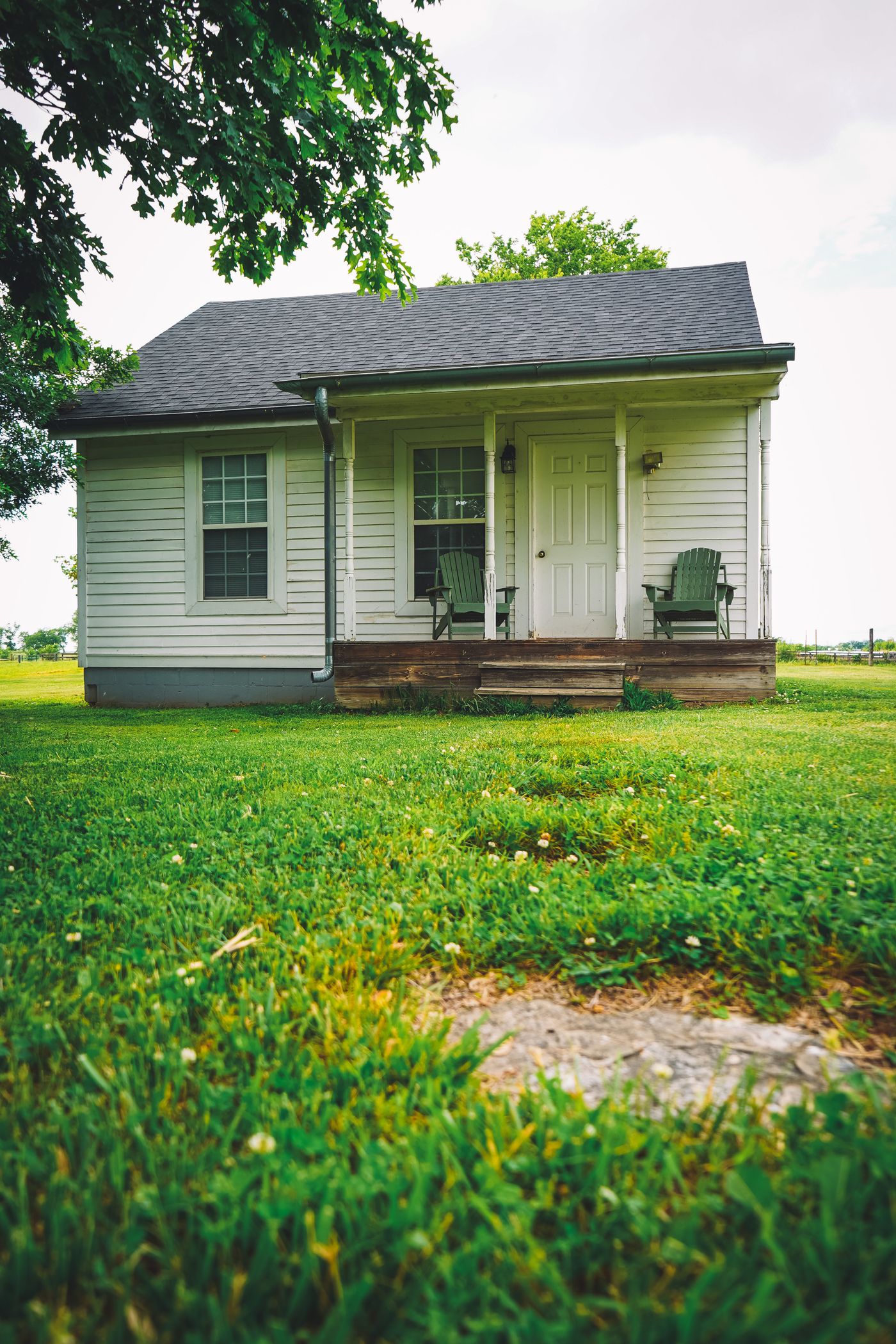
If you have a porch or step, a bench or chair creates a welcoming moment. See also our decor style quiz if you are unsure of your style.
How much does curb appeal cost?
It depends on your region and the materials you choose. Paint, lighting and plants are the least expensive upgrades. Get at least two quotes for larger jobs such as new doors or windows.
How to plan your exterior upgrades in the right order
The biggest mistake with a small home exterior is starting with the most exciting purchase instead of the most useful one. A better approach is to work from the cheapest, fastest changes towards the larger projects, and to stop after each stage and look at the house from the street. Many homes need far less than their owners first expect once the basics are tidy.
Start with cleaning and repairs. Wash the front door, windows, path and walls, remove peeling paint, fix loose steps and clear overgrown plants. These jobs cost little, yet they change how every other upgrade looks. A new door colour on a dirty facade will always disappoint.
Next, handle the small hardware: house numbers, the mailbox, the door handle and the light fittings. Replacing four or five small items in the same finish makes the entrance look deliberate. After that, add planting and lighting, and only then consider larger changes such as repainting the walls, replacing the door or building a seating area.
- Stage 1: clean, repair and declutter the entrance.
- Stage 2: replace small hardware in one consistent finish.
- Stage 3: add planters, a defined path and warm lighting.
- Stage 4: repaint the door, trim or walls in a limited colour scheme.
- Stage 5: add seating, window boxes or other finishing details.
Choosing colours and materials for a small house
Small homes look best with a restrained palette. Choose one main wall colour, one trim colour and one accent for the door, and repeat materials rather than adding new ones. If your roof, brick or stone cannot be changed, treat it as a fixed colour and pick everything else to suit it.
Look at the house in natural light before you buy paint. Hold large sample boards against the wall on a sunny day and again on a cloudy evening, because exterior colours shift more than interior ones. Darker door colours can look rich against light walls, while softer tones tend to suit homes with strong brick or stone.
For materials, favour finishes that handle your local weather. Powder-coated metal, treated timber and glazed ceramic planters are common choices because they cope well outdoors, but always check the manufacturer care notes. Cheap finishes that fade or rust within a season often cost more than a better product bought once.
- Pick one wall colour, one trim colour and one accent.
- Test large samples in morning and evening light.
- Repeat the same metal finish on numbers, lights and hardware.
- Choose weather-suited materials and read the care instructions.
Lighting your home exterior after dark
Good lighting makes a small exterior look welcoming and also helps people find the door safely. The aim is a soft, even glow rather than one bright spotlight. Place a fixture beside or above the front door, add low lights along the path and keep colour temperature warm so the facade does not look harsh.
Solar path lights are a simple option where wiring is difficult, though brightness varies by product and by how much sun the spot receives. Where mains power is available, outdoor-rated fittings with a sensor or timer save effort and keep the house lit without being left on all night. Always use fittings rated for outdoor use and have any new wiring checked by a qualified electrician.
Walk outside at dusk after installing lights. Look for glare, dark patches on the steps and any fitting that points into a neighbour’s window. Small adjustments to angle and height usually solve these problems.
Caring for your exterior through the seasons
Curb appeal fades quickly when upkeep is ignored, so build a short seasonal routine. In spring, wash the surfaces, check paint and caulk for cracks, and refresh planters. In summer, water containers regularly and trim plants back from the path. In autumn, clear leaves from steps and gutters. In winter, check that lights and the door seals still work.
Keep a small box with the paint colour names, brush, sandpaper and spare bulbs so touch-ups are quick. Photograph the house each season; the pictures make it easy to spot slow changes such as fading, staining or plants that have outgrown their pots.
- Spring: wash surfaces, inspect paint and refresh planters.
- Summer: water containers, trim plants and check the path.
- Autumn: clear leaves, gutters and steps.
- Winter: test lights, door seals and safe footing.
Common mistakes to avoid
The most common errors are buying too many decorative items, mixing several metal finishes, choosing a door colour that fights the walls and ignoring the path. Another frequent problem is scale: planters, numbers and lights that are too small look timid on a front door, while oversized items overwhelm a small facade.
Rental homes and shared buildings add rules. Check your lease, local regulations and any shared-building or neighbourhood guidelines before repainting, replacing a door, changing lights or attaching anything to the exterior. If you are unsure, ask your landlord or local authority first so you do not have to undo the work.
- Do not use more than one or two accent colours.
- Keep metal finishes consistent across numbers, lights and handles.
- Scale items to the door and the facade.
- Check permissions before painting or changing fixtures.
- Finish repairs and cleaning before decorating.
A simple weekend plan for a small exterior makeover
If you want to see results quickly, split the work across a weekend. On Saturday morning, wash and repair, and in the afternoon repaint the door or trim. On Sunday, install new numbers, mailbox and lights, then add two matching planters and tidy the path. The whole sequence uses only inexpensive materials, and each step improves the next.
When you finish, stand across the street and take a photograph. Compare it with a picture from before you started. If something still feels unfinished, make a short list and tackle it next weekend instead of buying extra items on impulse.
Remember that a small home does not need a large budget to look cared for. Clean surfaces, consistent finishes, warm lighting and a few healthy plants do most of the work.
Planting ideas that suit a small entrance
Plants soften hard edges and make a small entrance feel alive, but they need to match the light and the time you can give them. Before buying, note how many hours of direct sun the doorstep gets and whether the spot is sheltered from wind. Ask the garden centre for plants suited to those conditions and to your local climate rather than choosing by looks alone.
Use pots in odd numbers and repeat the same container style so the group looks planned. A tall plant, a medium plant and a trailing plant in one pot give height, body and softness without taking much space. Evergreens keep the entrance tidy in winter, while a few seasonal flowers add colour when you want a change.
Water needs matter more than most people expect. Containers dry out faster than garden beds, so place the pots near a tap or choose plants that tolerate dry spells. A saucer or a simple drip system can reduce daily effort.
Paths, steps and edges
A clear path tells visitors where to go and makes the whole facade look organised. Repair cracked or uneven paving first, because trip hazards matter more than appearance. Then clean the surface, straighten the edges and remove weeds from the joints. A clean line along each side of the path is often the cheapest upgrade available.
If the path is bare concrete, consider a sealed finish, stepping stones or a border of low plants to give it character. Keep any border low enough that wet leaves and stems do not make the surface slippery. Make sure steps have good grip and, where needed, a sturdy handrail.
- Repair uneven or cracked paving before decorating.
- Clean and re-edge the path to give a crisp outline.
- Use low borders so the path stays safe when wet.
- Check grip on steps and add a handrail where needed.
Seating and finishing touches
A small seating spot turns an entrance into a place people want to use. A compact bench or a pair of chairs beside the door is often enough, provided there is still clear room to open the door and walk past. Choose weather-resistant materials and add a cushion that can be brought indoors when the weather turns.
Finish with items that show care without clutter: a clean doormat, a good outdoor lantern and one or two accessories that match your colour scheme. Keep surfaces clear, because a tidy small porch looks larger and more welcoming than a crowded one.
Questions to ask before hiring help
Some upgrades, such as repainting large areas, replacing a door or changing electrical fittings, are better left to professionals. Ask for a written quote that lists the work, materials and timeline, check that the contractor is insured and licensed where your area requires it, and ask to see examples of similar completed jobs. Get at least two quotes so you can compare them fairly.
Agree the finish and colour in writing before work starts, and keep receipts and product names for future touch-ups. A clear brief at the start prevents most disputes later.
- Ask for written quotes that list work, materials and timing.
- Check insurance and any licences required locally.
- Request photos or references from similar jobs.
- Agree colours and finishes in writing before work begins.
Final curb appeal checklist
Before you call the project finished, walk up to the house as a visitor would and tick off each point below. Anything you cannot tick is your next small job, and you can usually complete it in an hour or two without spending much.
- The door, windows, walls and path are clean and in good repair.
- House numbers and the mailbox are easy to read and match the other hardware.
- Lights work, are warm in tone and do not glare into neighbouring windows.
- Planters are healthy, matching and placed so they do not block the way.
- The colour scheme uses no more than one main colour and one or two accents.
- Seating, if any, leaves clear space to open the door and walk past.
- Any shared-building or local rules have been checked before changes.
Revisit this list each season. A few minutes of regular attention keeps a small home looking well cared for and protects the money you have already spent on upgrades.
Frequently asked questions
Is a new front door worth the money?
Industry figures suggest it can be. In the 2025 Cost vs. Value report, a steel entry door replacement averaged $2,435 and was estimated to recoup about 216% of its cost at resale in the US. Local prices and buyer expectations vary, so get quotes before deciding. If the existing door is sound, painting it costs far less and still changes the look.
How do I improve a small house exterior cheaply?
Start with paint, lighting, house numbers and plants.
What colour should I paint my front door?
Choose a colour that contrasts with your walls. Deep green, navy and black are popular and easy to live with.
How do I make a small front yard look bigger?
Use clean lines, a clear path and a limited plant palette. Avoid clutter.
Do I need permission to repaint?
In some areas, listed buildings, conservation areas and associations have rules. Check locally first.
Planning to sell? See our luxury home staging checklist.
Sources
This article is general design guidance. Check local building and planning rules before major exterior changes.